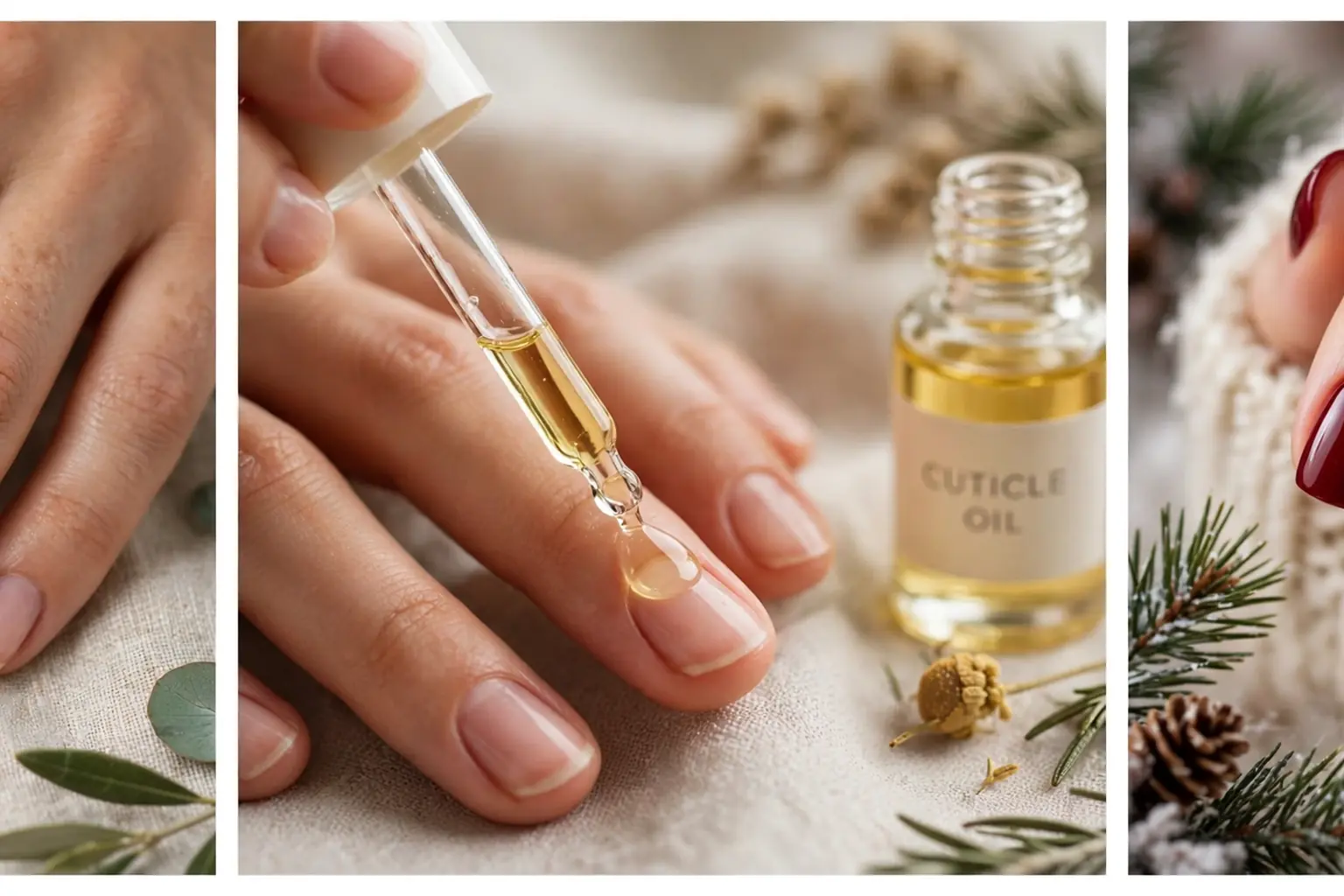
Winter is hard on nails in a way summer never is. Cold air outside, dry heated air inside, constant hand washing and thick gloves all pull moisture from the nail plate, leaving it brittle, peeling and easy to break.
The good news is that most winter nail damage is preventable with small, consistent habits rather than expensive treatments. A little oil, a gentler filing technique and a smarter manicure routine can transform nails within a few weeks.
This guide collects twenty one winter nail care tips that stop chipping and breaking. Each tip explains exactly why it works and how to do it, so you can build a routine that fits your life and actually lasts.
Save your favourites, start with cuticle oil tonight, and give your nails the steady winter care they need to stay strong until spring.
Also read:
Quick Tips for Winter Nail Care
Moisture Is the Whole Game
Winter nails break because they are dry, not because they are naturally weak. Oil, cream and gloves that lock moisture in will do more for your nails than any hardening treatment alone.
Be Gentle at Every Step
Peeling polish, sawing with a file, cutting cuticles and over buffing all create tiny damage that becomes a split later. Gentle handling is the foundation of every other tip in this guide.
Protect Before You Repair
Gloves for cleaning, lukewarm water and moisturising sanitiser prevent damage before it starts. Prevention is always easier than growing out a broken nail.
Consistency Beats Intensity
A two minute habit done daily beats an elaborate treatment done once a month. Pick three tips from this guide and do them every day for a month to see real change.
1. Gentle Removal Without Peeling Polish
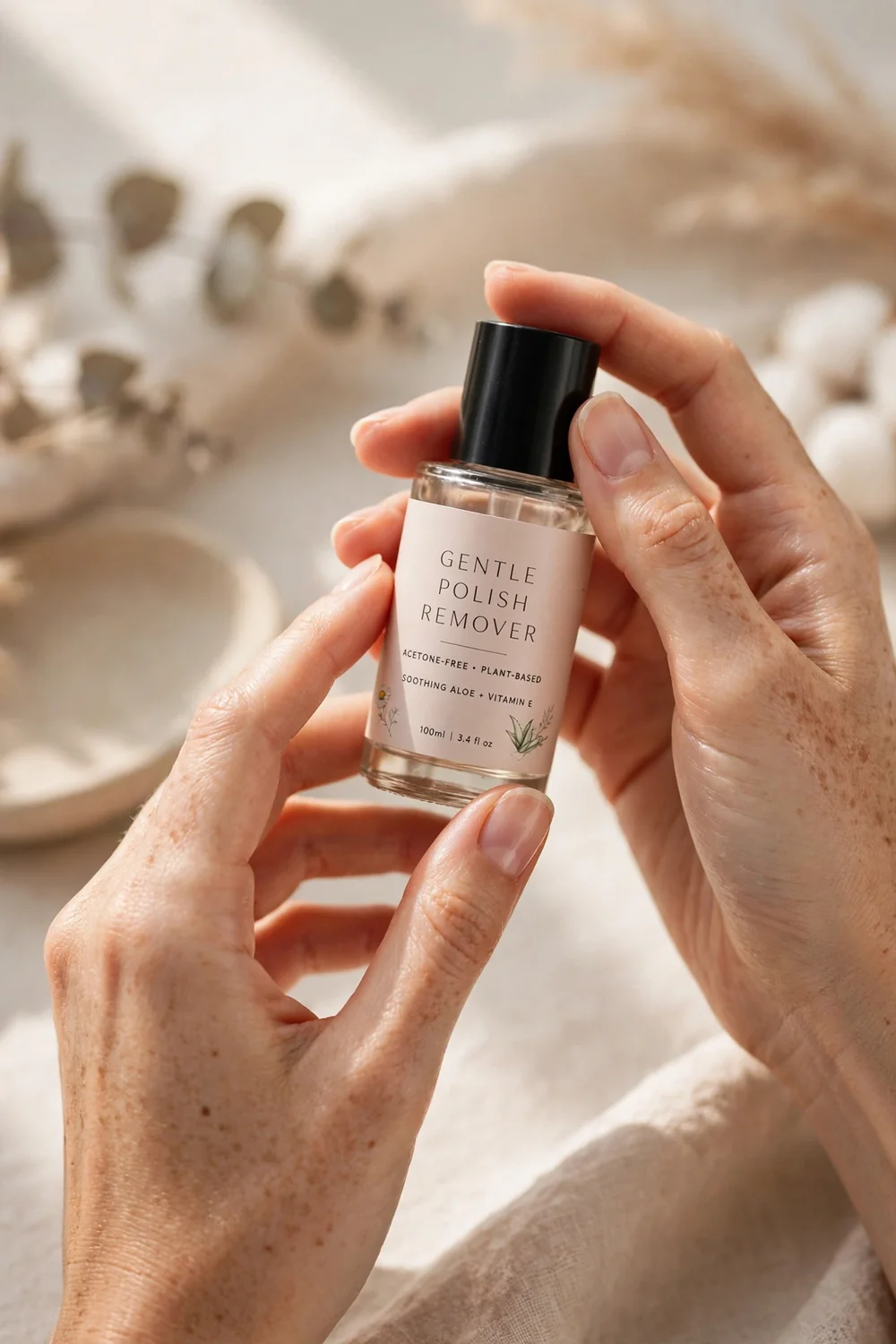
Peeling polish off by hand is one of the fastest ways to damage winter nails, because it lifts thin layers of the nail plate along with the colour. Those lifted layers leave nails rough, thin and far more likely to split in cold air.
Instead, soak a cotton pad in remover, press it onto the nail for a few seconds, and wipe gently in one direction. The short wait dissolves the polish properly, so you never need to scrape or peel.
Best for: nails that chip after every manicure Pair with: gentle remover and cotton pads Tip: never peel polish, even when it is already lifting
2. Daily Cuticle Oil Ritual
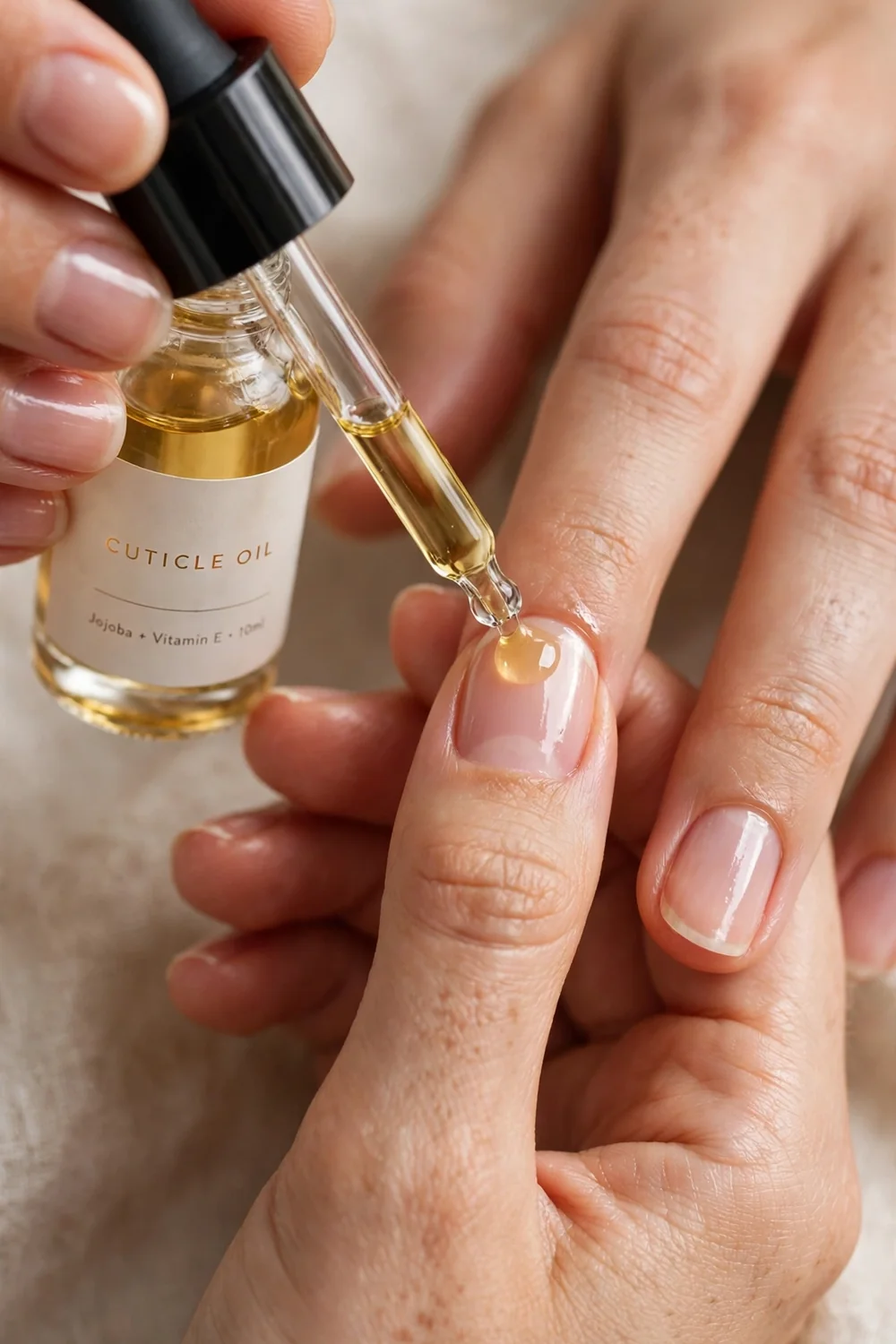
Cuticle oil is the single most effective winter nail habit, because it replaces the moisture that cold air and indoor heating constantly strip away. Dry cuticles crack, snag and invite infection, while oiled cuticles stay flexible and protective.
Massage one drop into each nail bed every night, and again after washing your hands if you can. The massage itself improves circulation, which helps nails grow stronger over the winter months.
Best for: dry, cracked cuticles Pair with: jojoba or almond cuticle oil Tip: keep the oil by your bed so you never skip it
3. Hydrating Hand Cream After Every Wash
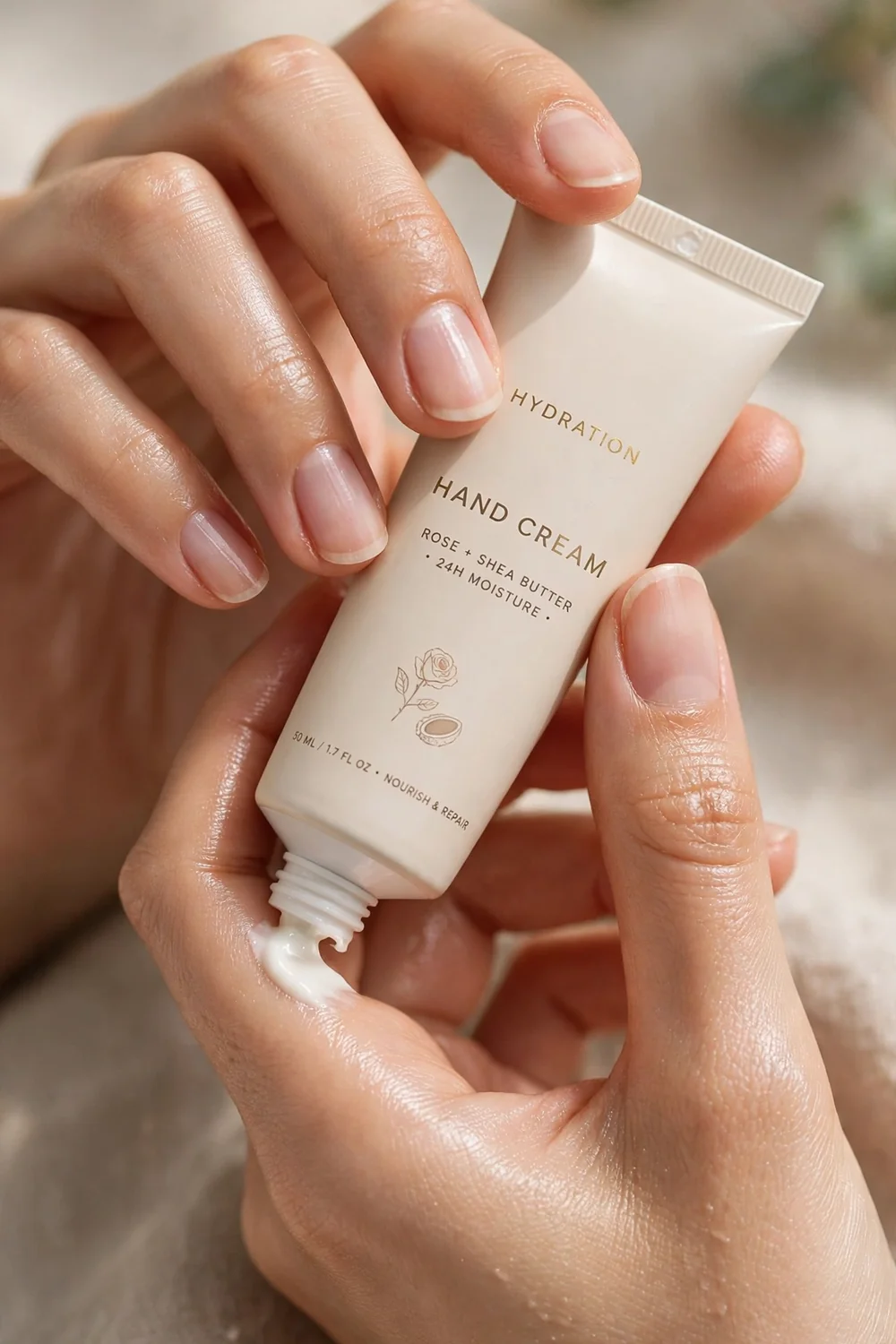
Every hand wash in winter removes natural oils from your nails as well as your skin, and that repeated drying is a major cause of winter splitting. Nails absorb water, swell, and then dry out again, which weakens them over time.
Apply a rich hand cream after every wash, and work a little extra into the nails and cuticles themselves. A thicker cream at night, worn under cotton gloves, gives nails a deep overnight moisture treatment.
Best for: hands washed often in winter Pair with: rich hand cream and cotton gloves Tip: choose a cream, not a light lotion, for winter
4. Filing in One Direction Only
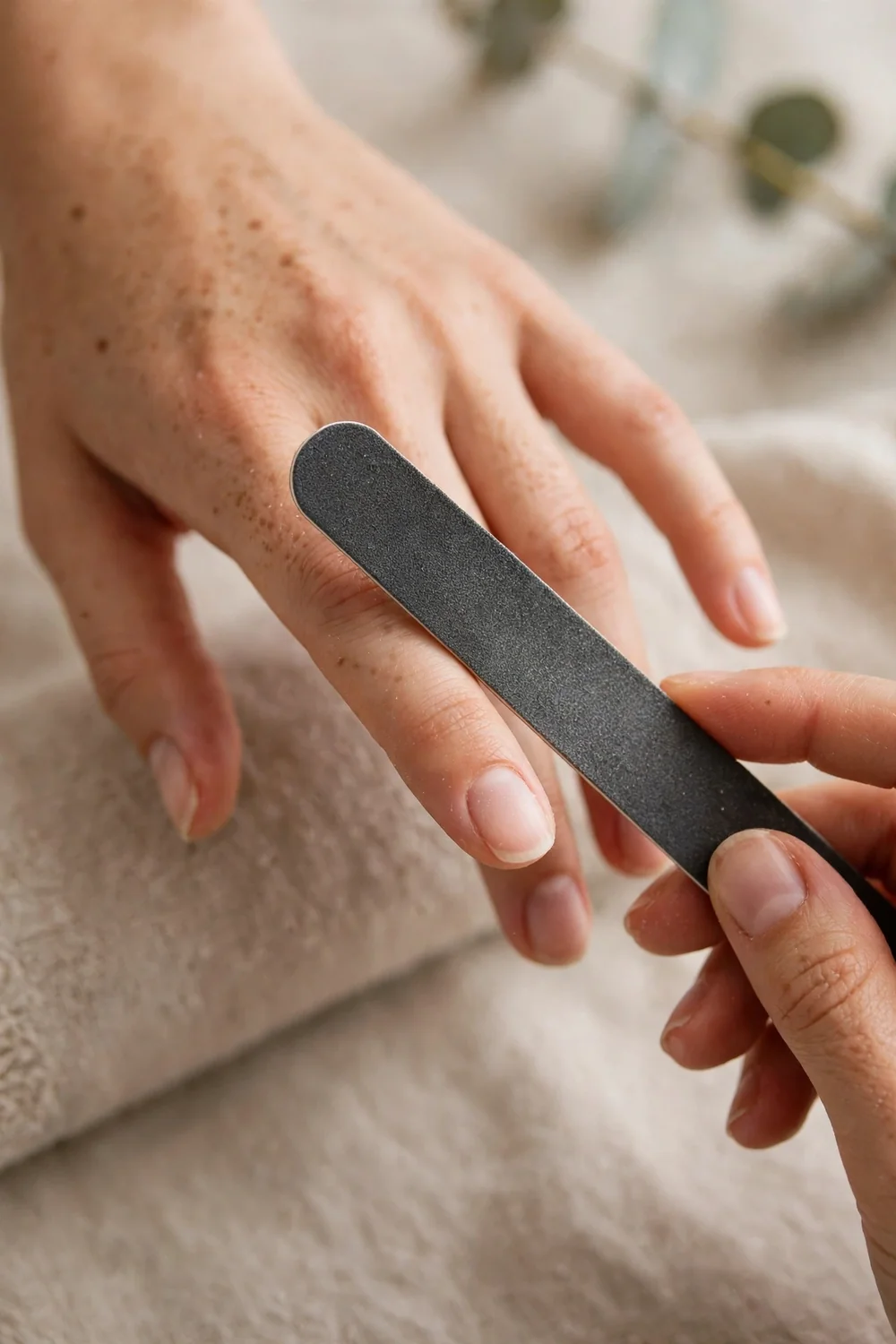
Filing back and forth saws through the nail edge and creates tiny fractures that later become splits and peels. It feels faster, but it quietly weakens the nail every single time you do it.
File in one direction only, using a fine grit emery board, and smooth the edge rather than forcing a new shape. Short, gentle strokes keep the nail edge sealed and far less likely to catch on fabric.
Best for: nails that split at the edges Pair with: a fine grit emery board Tip: file after a shower when nails are slightly softer
5. Base Coat Every Single Time
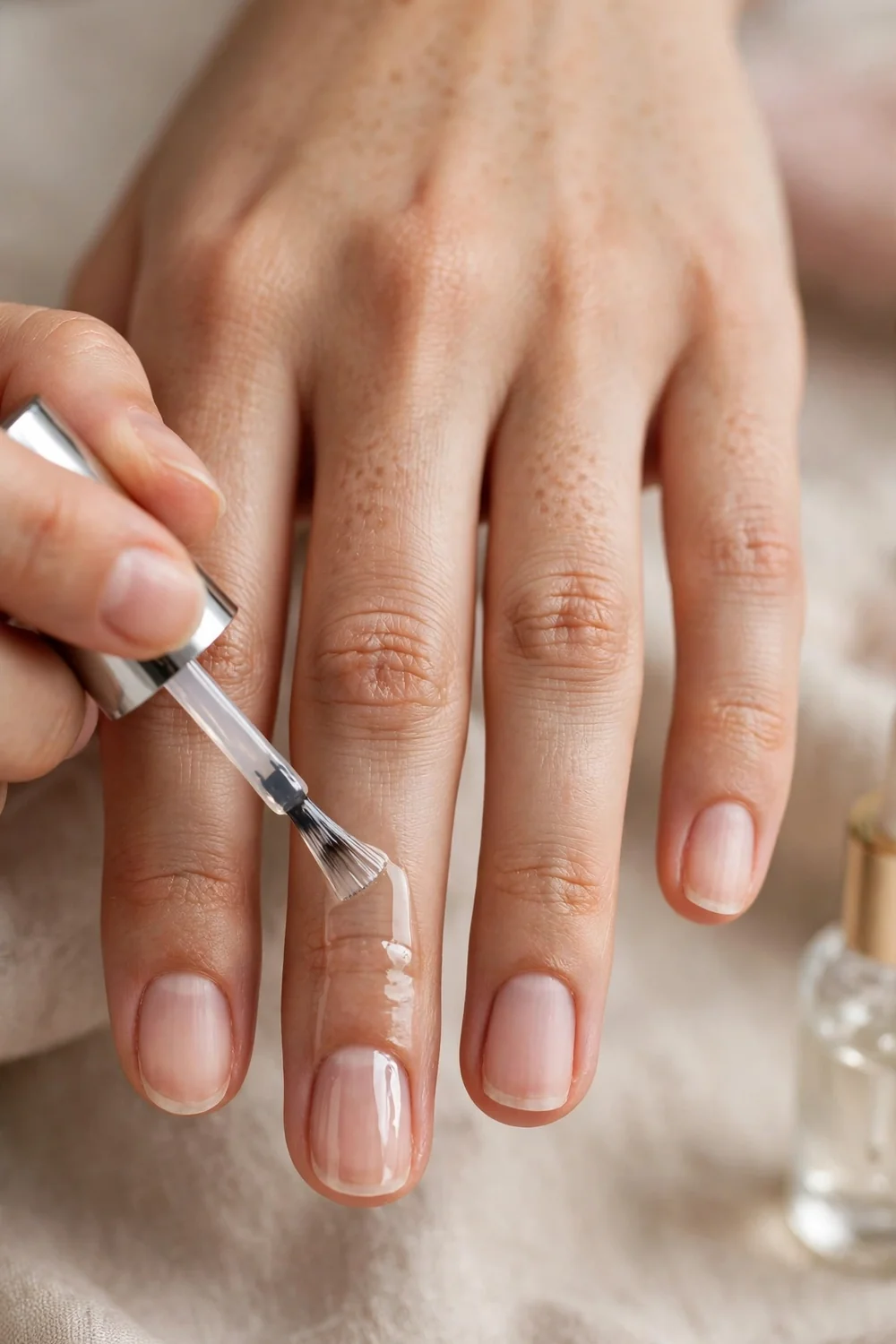
A base coat is not an optional extra, especially in winter when nails are already dry and fragile. It creates a protective barrier that stops polish pigments from staining the nail and gives colour something smooth to grip.
Apply one thin, even layer and let it dry fully before adding colour. That short pause prevents bubbling and helps your manicure last days longer through cold weather and hand washing.
Best for: anyone who wears polish in winter Pair with: a strengthening base coat Tip: let the base coat dry fully before colour
6. Thin Polish Layers That Cure Properly
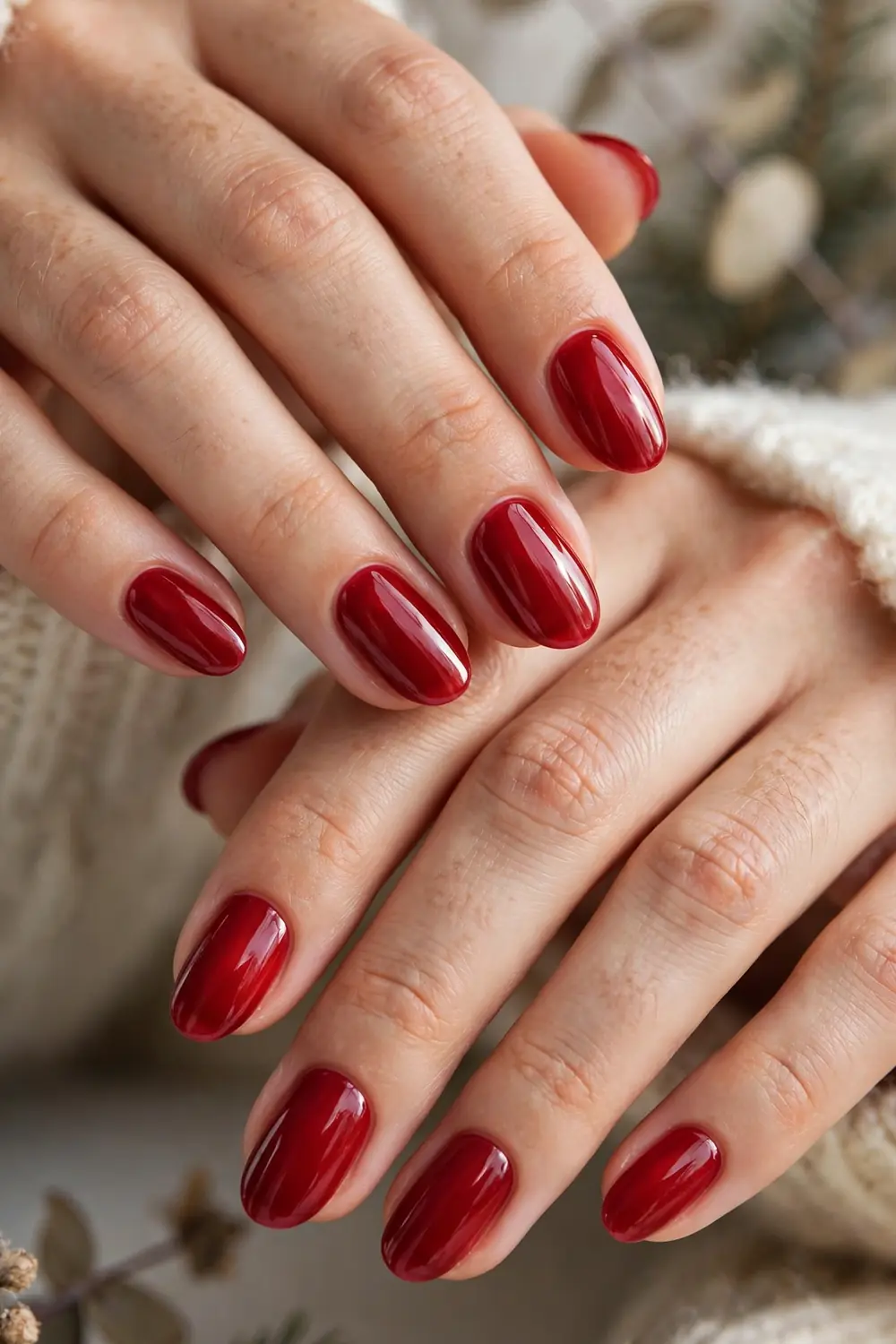
Thick polish layers look rich in the bottle but chip faster, because the surface dries while the layers underneath stay soft. In winter, when hands are constantly in and out of gloves, that softness leads to dents and peeling.
Apply two thin layers instead of one thick one, and wait a few minutes between coats. Thin layers harden evenly, flex with the nail, and survive winter wear far better than a single heavy coat.
Best for: manicures that dent or peel quickly Pair with: thin polish and a quick dry top coat Tip: two thin coats always beat one thick coat
7. Gloves for Cleaning and Cold Air
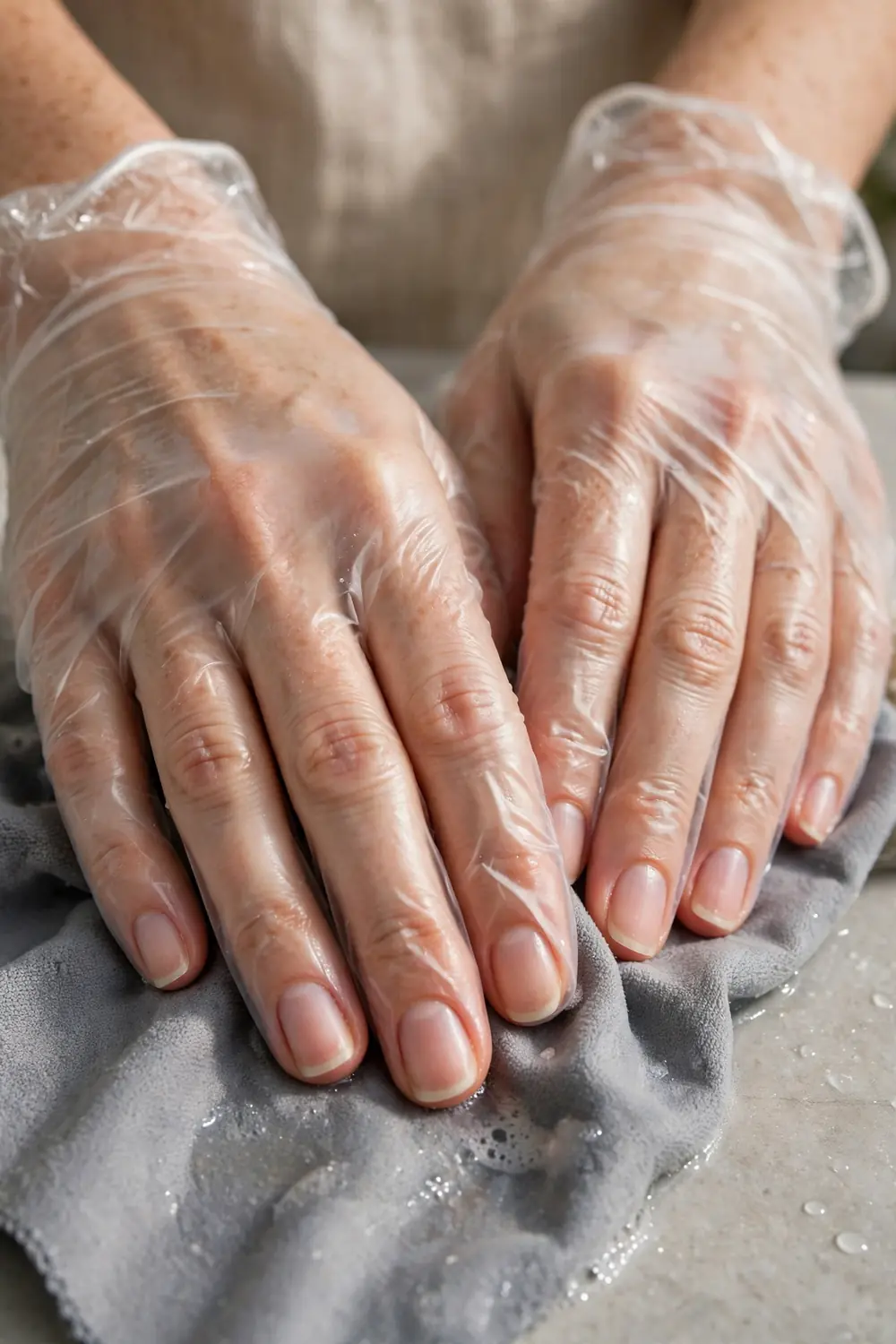
Cleaning products and cold wind are two of winter’s harshest nail enemies, and both strip moisture in minutes. Dish soap, bleach and icy air all dry the nail plate and the skin around it, which leads to cracking.
Wear rubber gloves lined with cotton for cleaning, and warm gloves outdoors, even for short trips. The barrier keeps moisture in and chemicals out, which is the simplest protection your nails will ever get.
Best for: cleaning, gardening and cold commutes Pair with: cotton lined rubber gloves Tip: keep a pair of gloves by the kitchen sink
8. Weekly Nail Soaks With Warm Oil
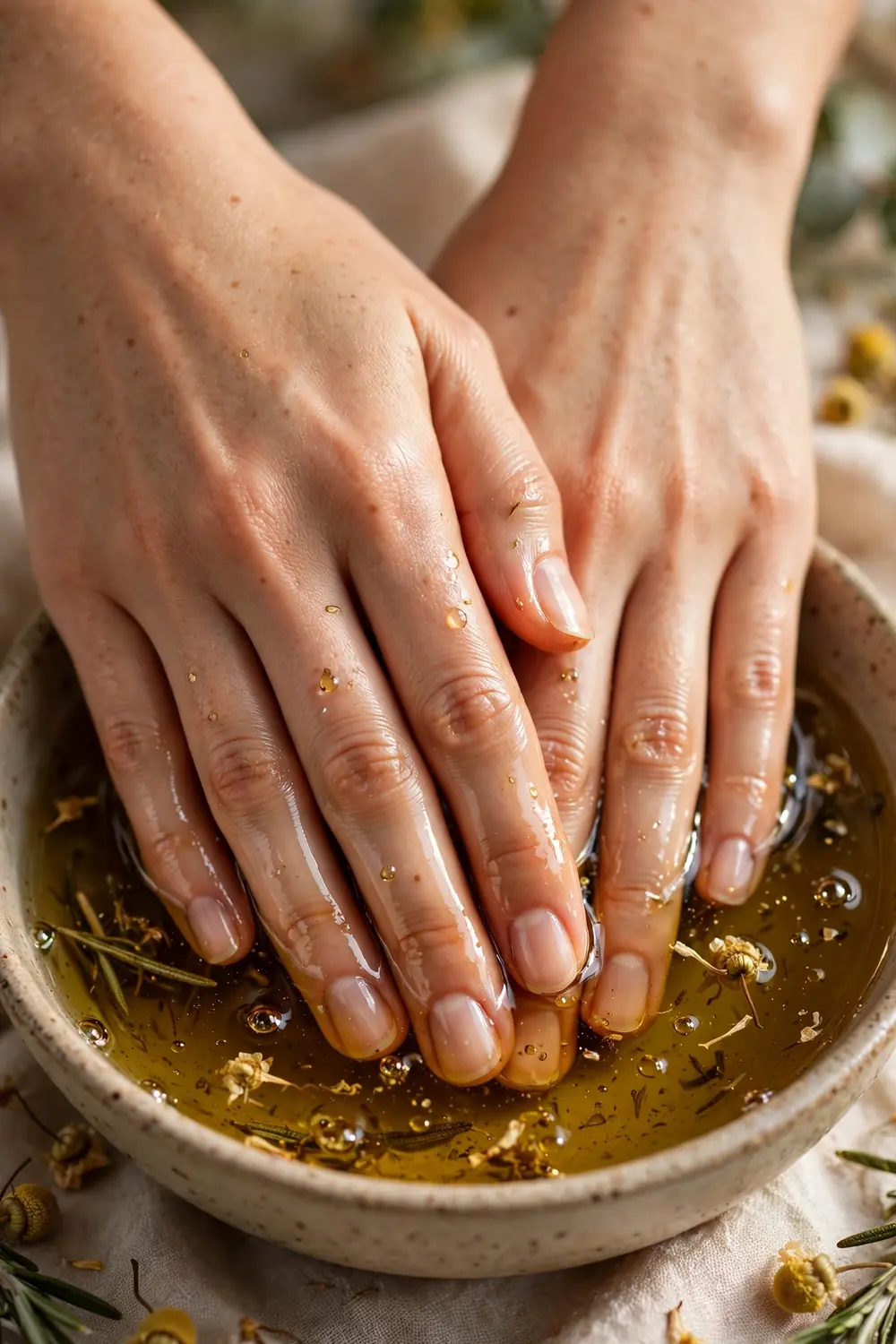
A weekly warm oil soak is a gentle reset for nails that feel dry, rough or brittle after a week of winter weather. Warm oil penetrates the nail plate and the surrounding skin far better than a quick application of cream.
Soak fingertips in warm olive or jojoba oil for ten minutes, then massage the remaining oil into hands and cuticles. Once a week is enough to keep nails flexible without making polish adhesion difficult.
Best for: brittle, rough winter nails Pair with: warm olive or jojoba oil Tip: soak before your weekly manicure, not after
9. Cuticle Pushing, Never Cutting
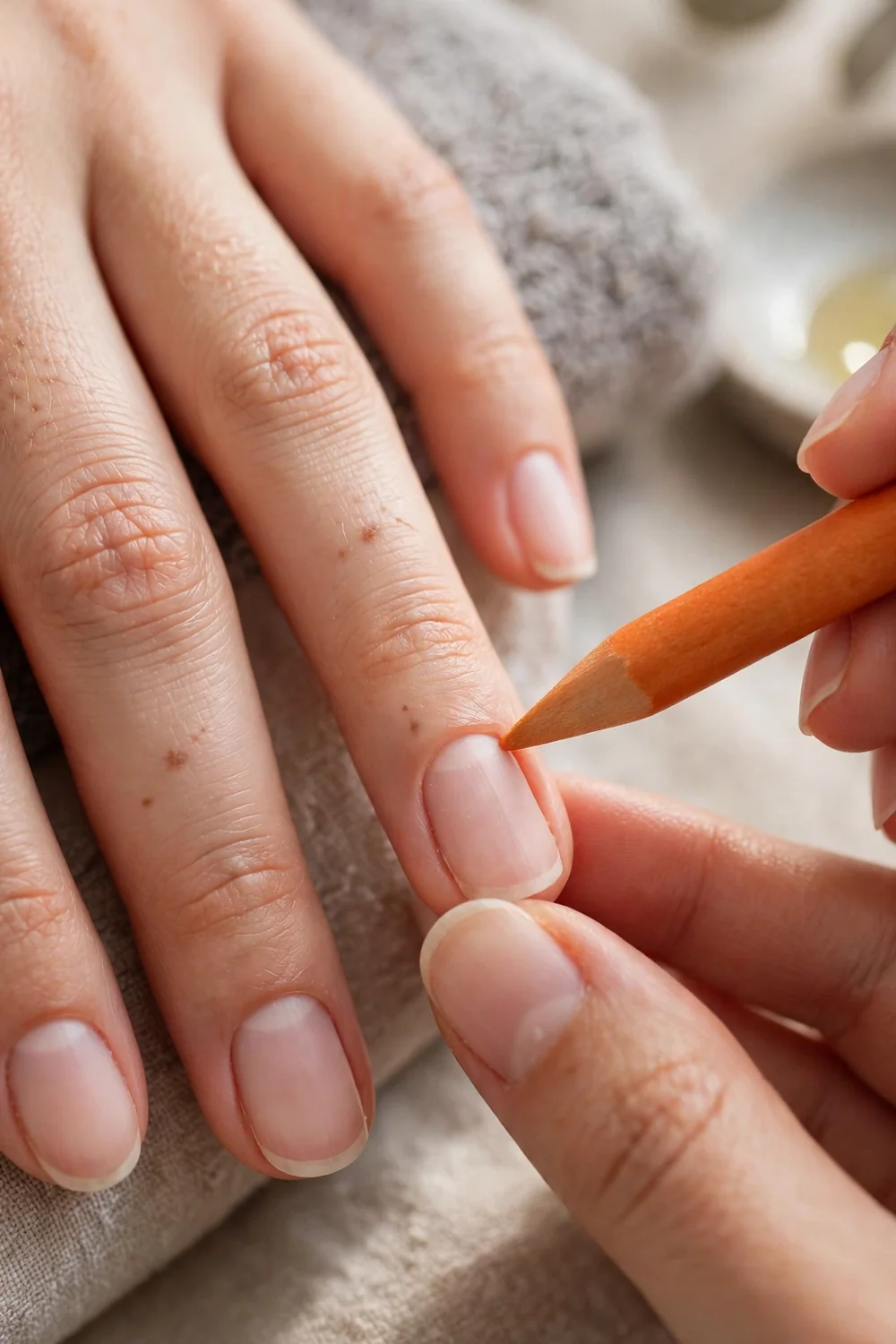
Cuticles are a protective seal, not excess skin, and cutting them opens the nail to infection and irritation. In winter, when skin is already cracked, that opening is even more likely to become sore.
After a shower, when cuticles are soft, push them back gently with an orange stick or a soft towel. The result looks just as neat as cutting, without any of the risk or the ragged regrowth.
Best for: neat manicures without infection risk Pair with: an orange stick and cuticle oil Tip: push cuticles only when they are soft
10. Strengthening Treatment Twice a Week
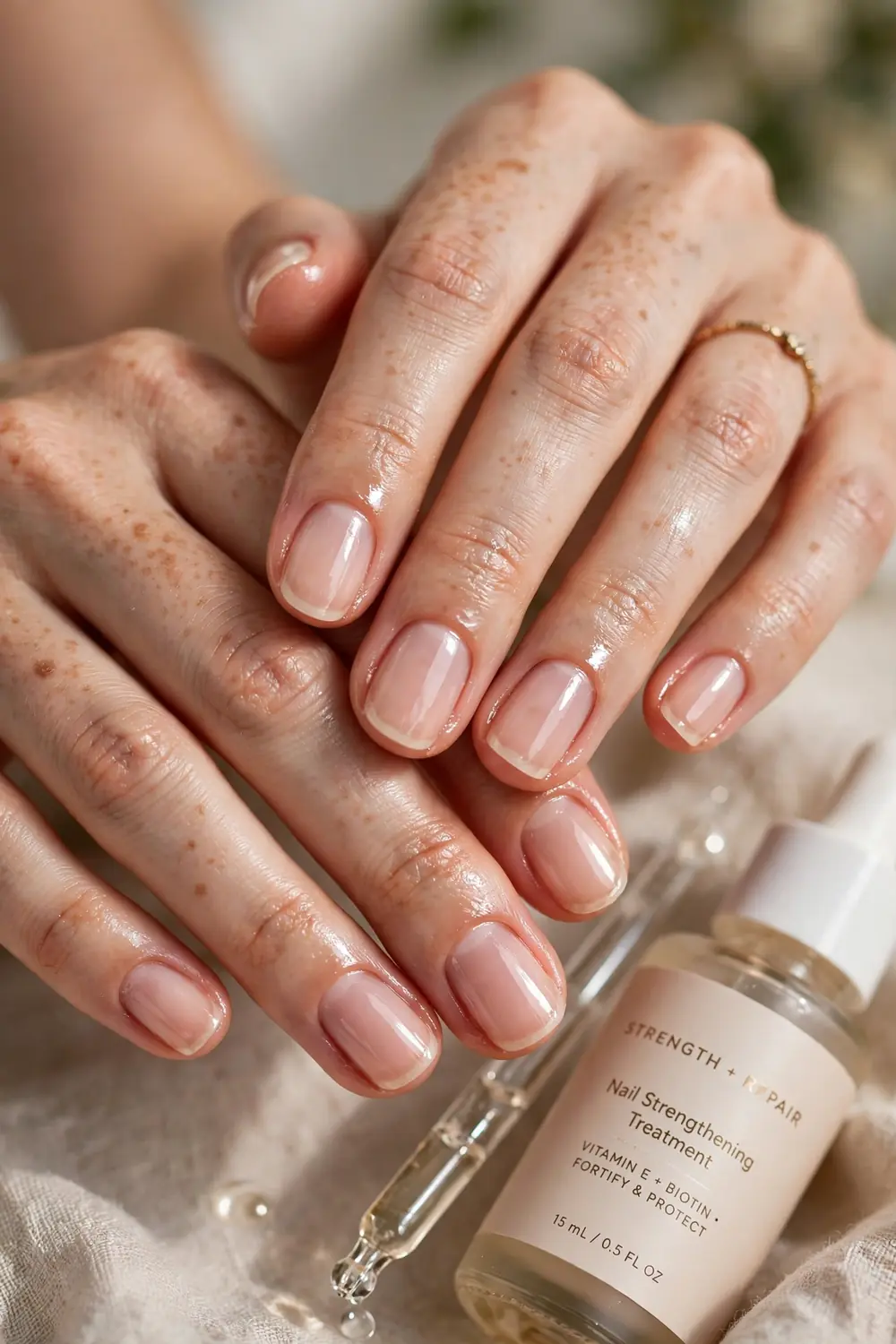
A strengthening treatment works like a conditioner for nails, filling tiny ridges and adding a flexible shield over a fragile plate. Used twice a week, it can turn peeling winter nails noticeably stronger within a month.
Apply it as a base layer on bare nails, or under polish on manicure days. Choose a formula that promises flexibility rather than hardness, since rock hard nails simply snap instead of bending.
Best for: peeling, bending or weak nails Pair with: a flexible strengthening treatment Tip: use it twice weekly, not daily, to avoid stiffness
11. Shorter Length for Winter Strength
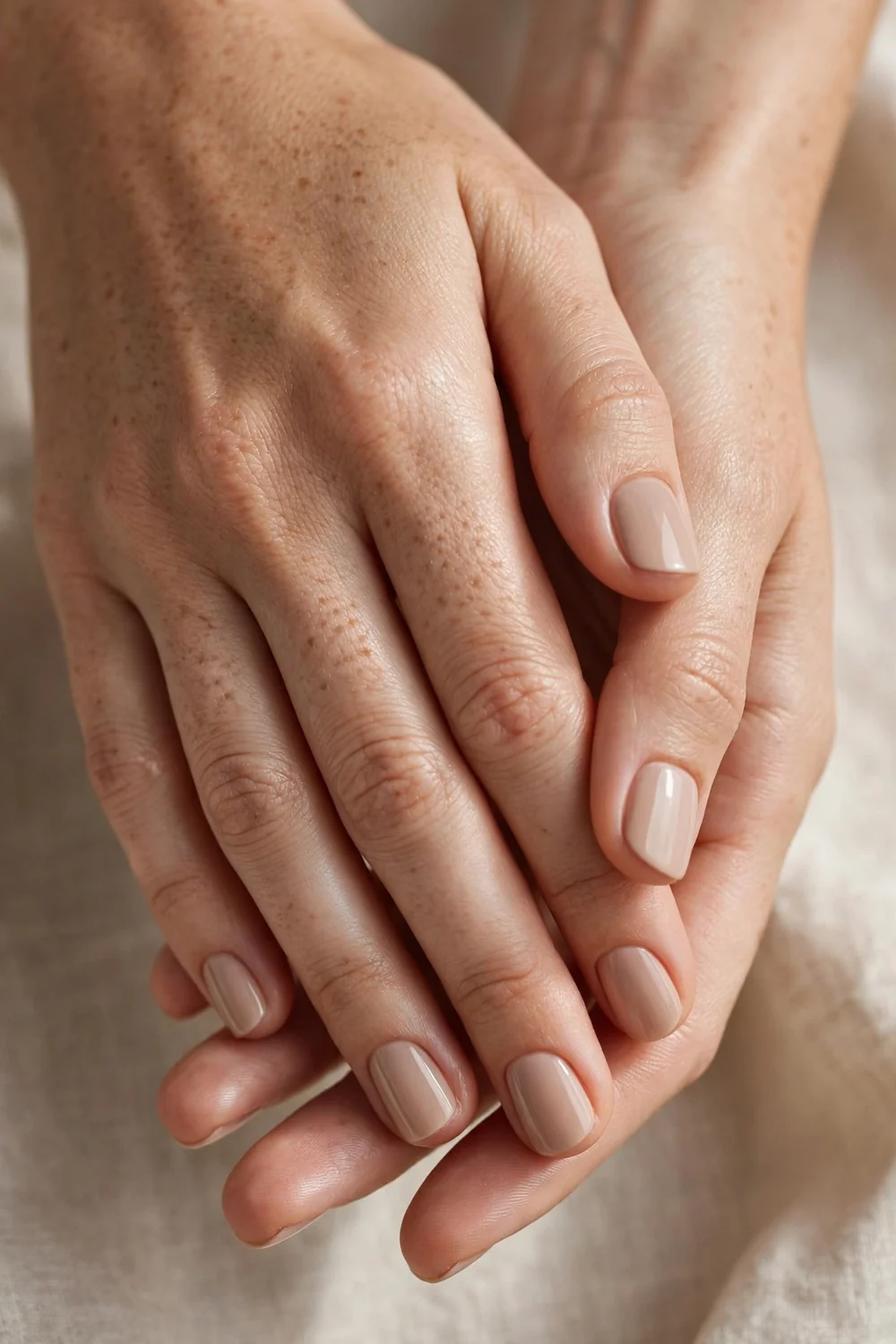
Long nails look beautiful, but in winter they catch on gloves, scarves and coat pockets far more often, and every catch is a potential break. Shorter nails distribute stress better and survive the season intact.
Keep nails at a short to medium length through winter, with softly rounded corners that do not snag. You can still enjoy polish and nail art, and your manicure will last noticeably longer.
Best for: active winters and glove wearers Pair with: a short rounded nail shape Tip: round the corners slightly to prevent snagging
12. Avoiding Hot Water Soaks
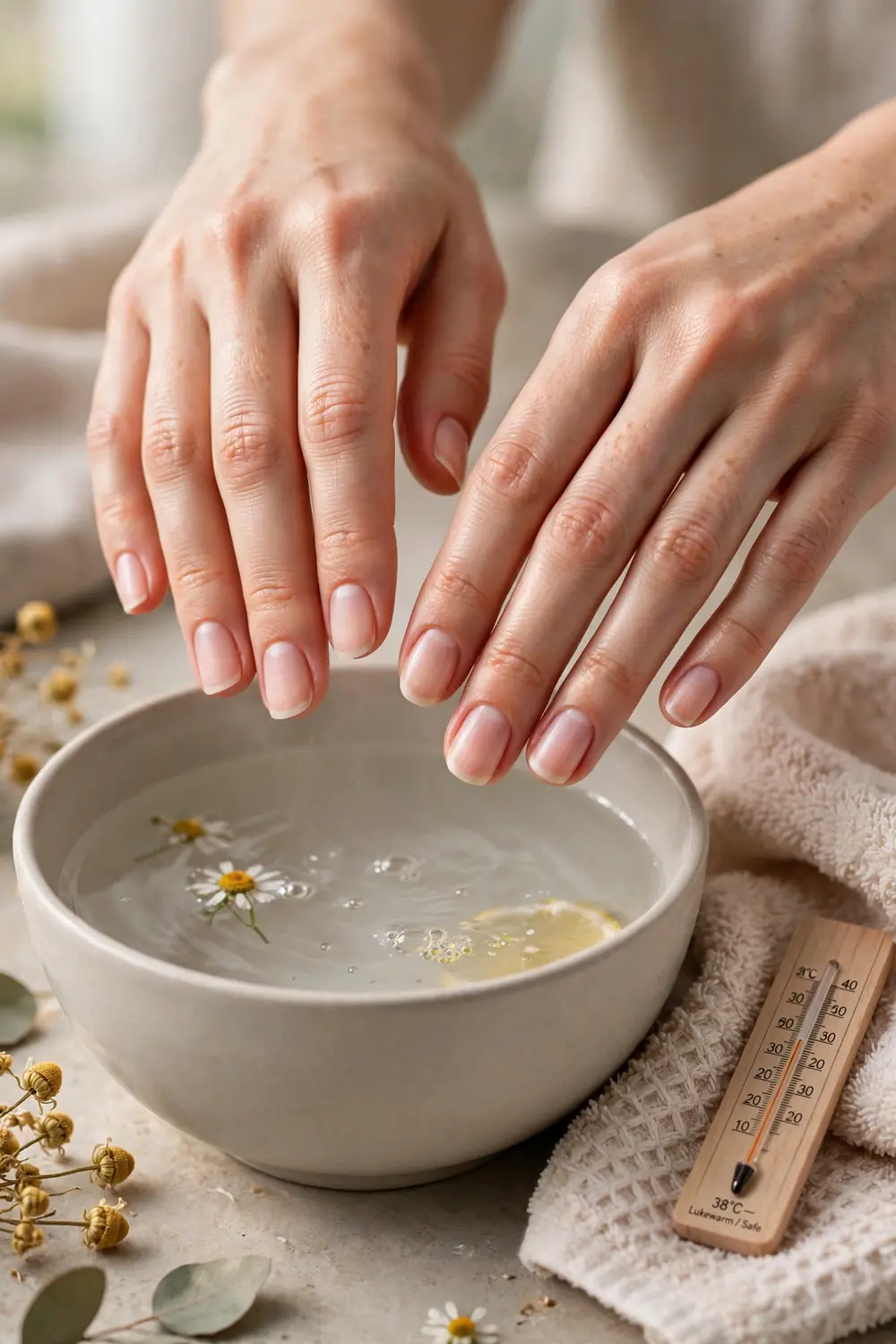
Very hot water feels comforting on a cold day, but it swells the nail plate and strips its natural oils, leaving nails weaker once they dry. Repeated hot soaks are a hidden cause of winter peeling.
Wash hands in lukewarm water instead, and keep showers warm rather than scalding. If you love a long bath, keep your hands out of the hottest water and moisturise well afterwards.
Best for: nails that peel every winter Pair with: lukewarm water and rich cream Tip: moisturise immediately after any hot shower
13. Eating for Stronger Nails

Nails are made of keratin, a protein, so a diet low in protein, iron or biotin often shows up first in weak, splitting nails. Winter comfort food alone rarely supplies everything nails need to grow strong.
Include eggs, nuts, leafy greens and oily fish regularly, and drink enough water through the day. If your nails stay weak despite good care, ask a clinician about your iron and vitamin levels before trying supplements.
Best for: weak nails despite good care Pair with: protein rich foods and leafy greens Tip: focus on food first, supplements second
14. Buffing Gently Once a Month
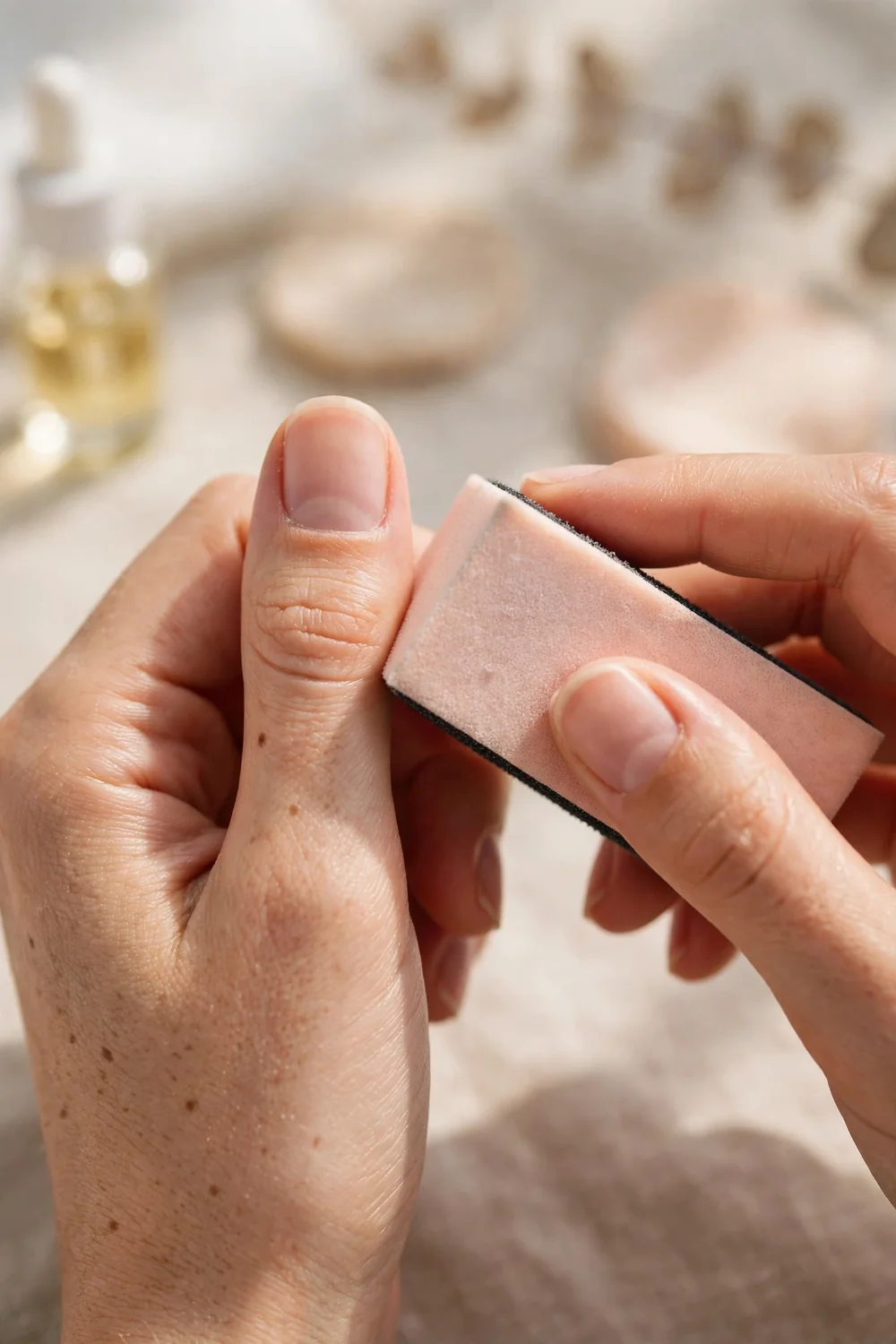
Buffing creates a smooth, shiny nail surface, but over buffing thins the nail plate and makes winter breakage far more likely. A nail thinned by aggressive buffing has little strength left to resist cold and gloves.
Buff very gently, only once a month, using the finest side of the buffer and just a few light strokes. Stop as soon as the surface looks even, and always follow buffing with cuticle oil.
Best for: ridged or dull nails Pair with: a fine grit buffer block Tip: buff monthly at most, never weekly
15. Top Coat Refresh Every Two Days
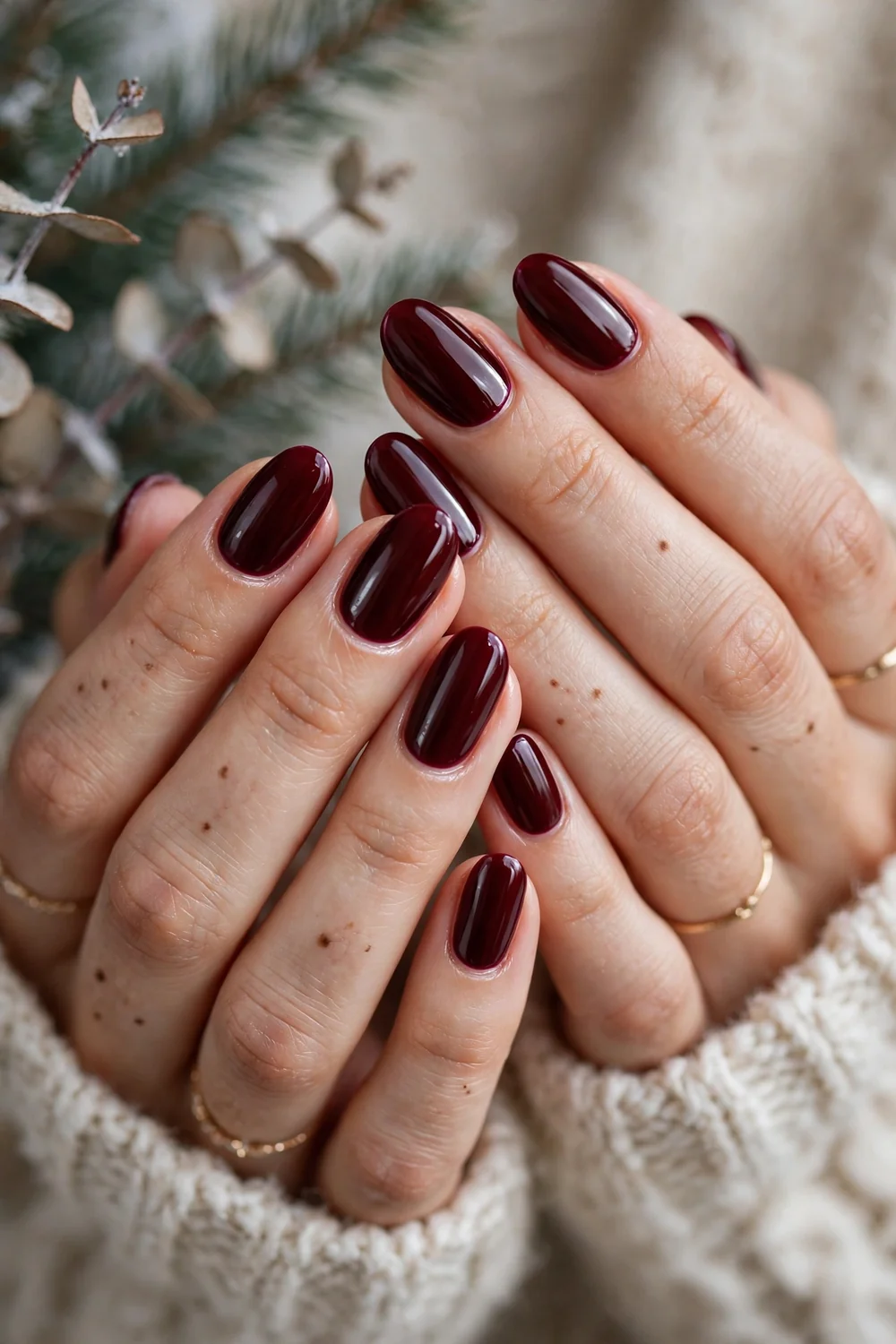
A manicure does not have to chip on day three. The top coat wears away first, especially at the tips, and once it is gone the colour underneath chips quickly in winter gloves and cold air.
Refresh the top coat every two days, sealing the free edge of each nail as you go. This two minute habit can extend a manicure by several days and keeps the shine looking freshly done.
Best for: manicures that chip at the tips Pair with: a glossy quick dry top coat Tip: seal the free edge with every top coat
16. Choosing a Nourishing Polish Remover
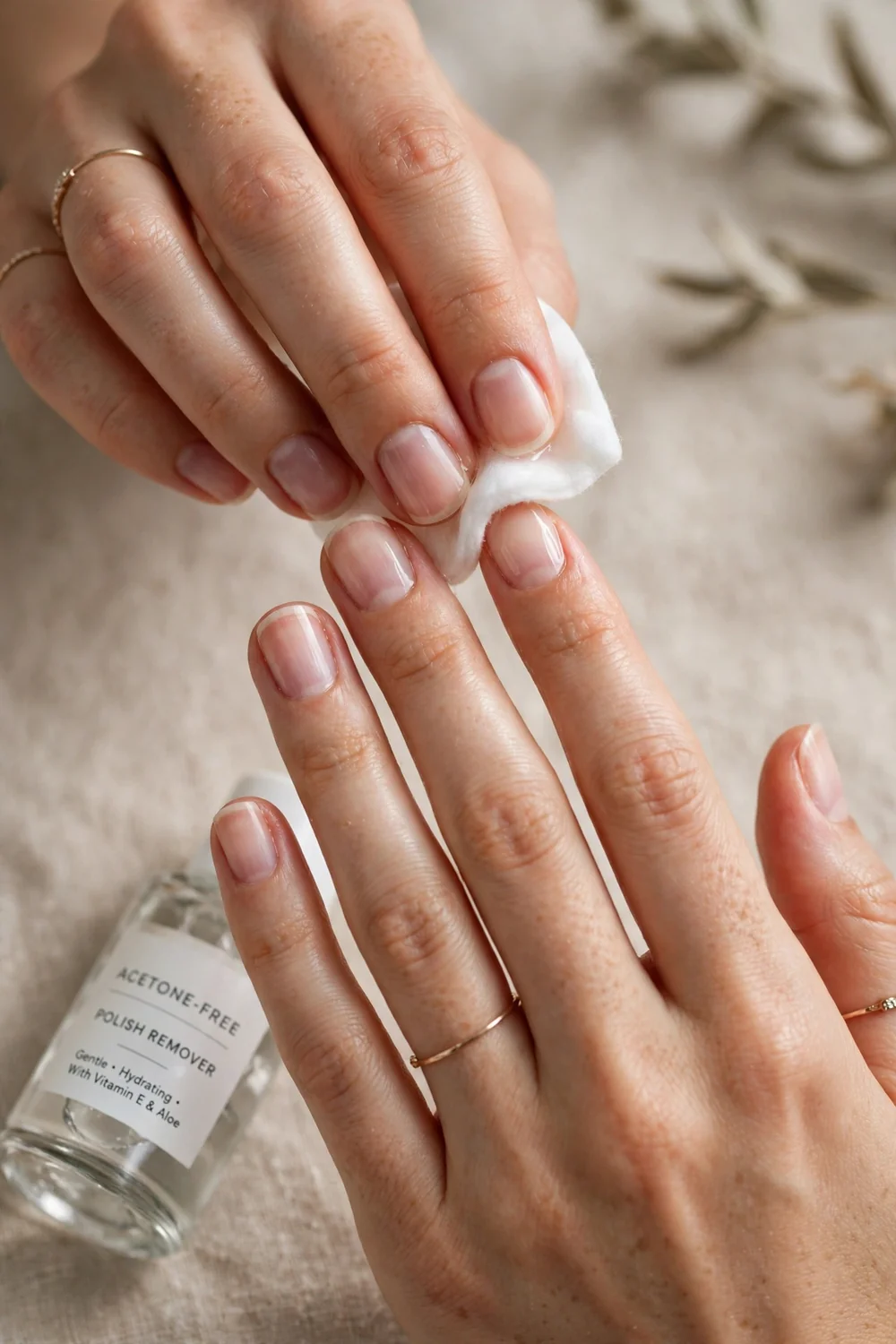
Acetone remover works fast, but it also strips oils from the nail plate and the surrounding skin, leaving winter nails dry and white at the edges. That dryness is exactly what leads to splitting.
Choose an acetone free remover with added oils, and accept that removal takes a minute longer. Your nails will feel smoother afterwards, and your next manicure will adhere better to a healthy surface.
Best for: dry nails after polish removal Pair with: acetone free remover with oils Tip: press the soaked pad on the nail before wiping
17. Overnight Hand Mask and Cotton Gloves
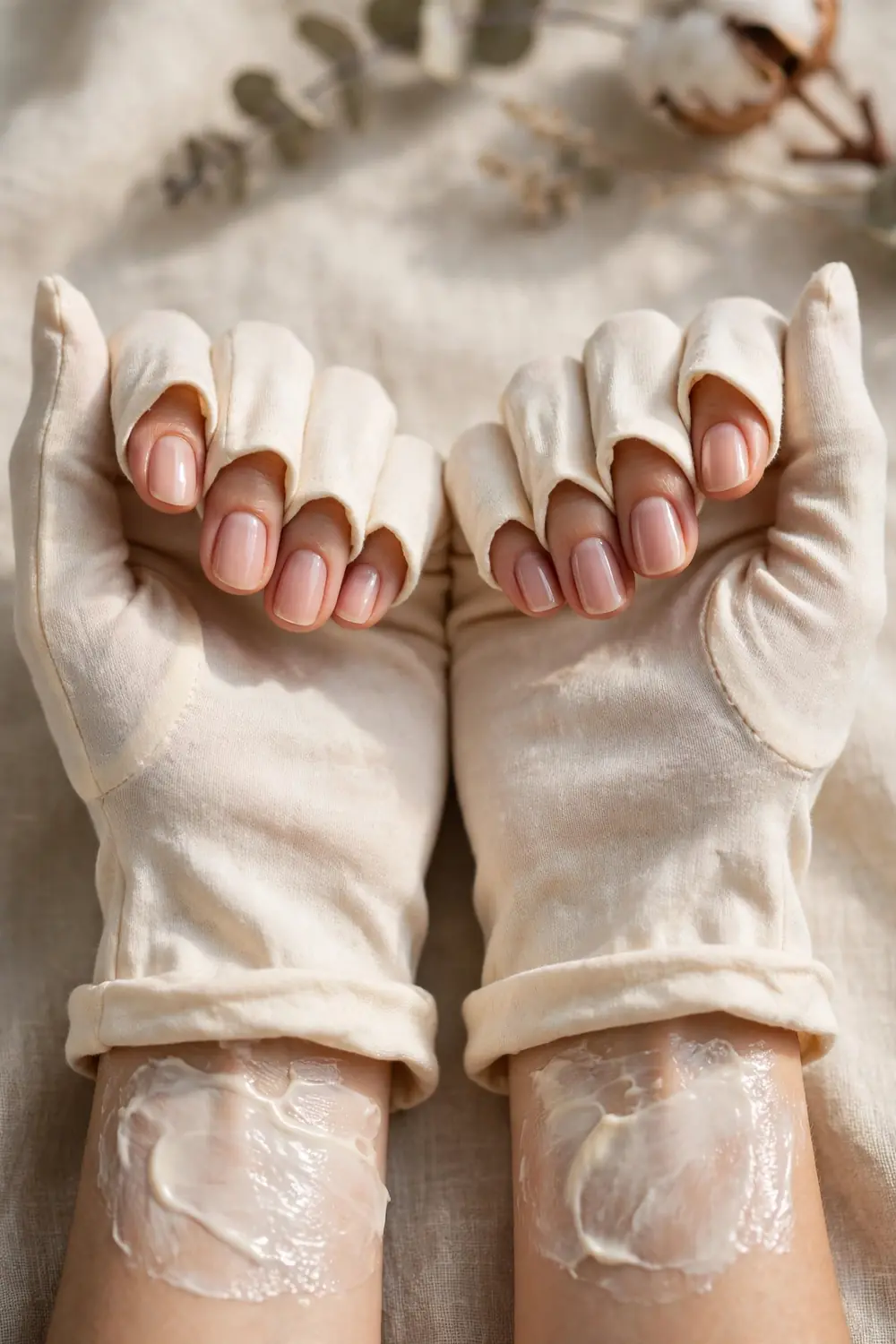
An overnight hand mask is winter’s most powerful nail rescue, because it gives moisture eight uninterrupted hours to sink in. Daytime creams are washed away quickly, but an overnight treatment stays put.
Apply a thick layer of hand cream and cuticle oil before bed, then slip on thin cotton gloves. You will wake up to softer hands, calmer cuticles and nails that feel noticeably less brittle.
Best for: severely dry winter hands Pair with: thick hand cream and cotton gloves Tip: use the mask once or twice a week
18. Keeping Nails Dry Between Washes
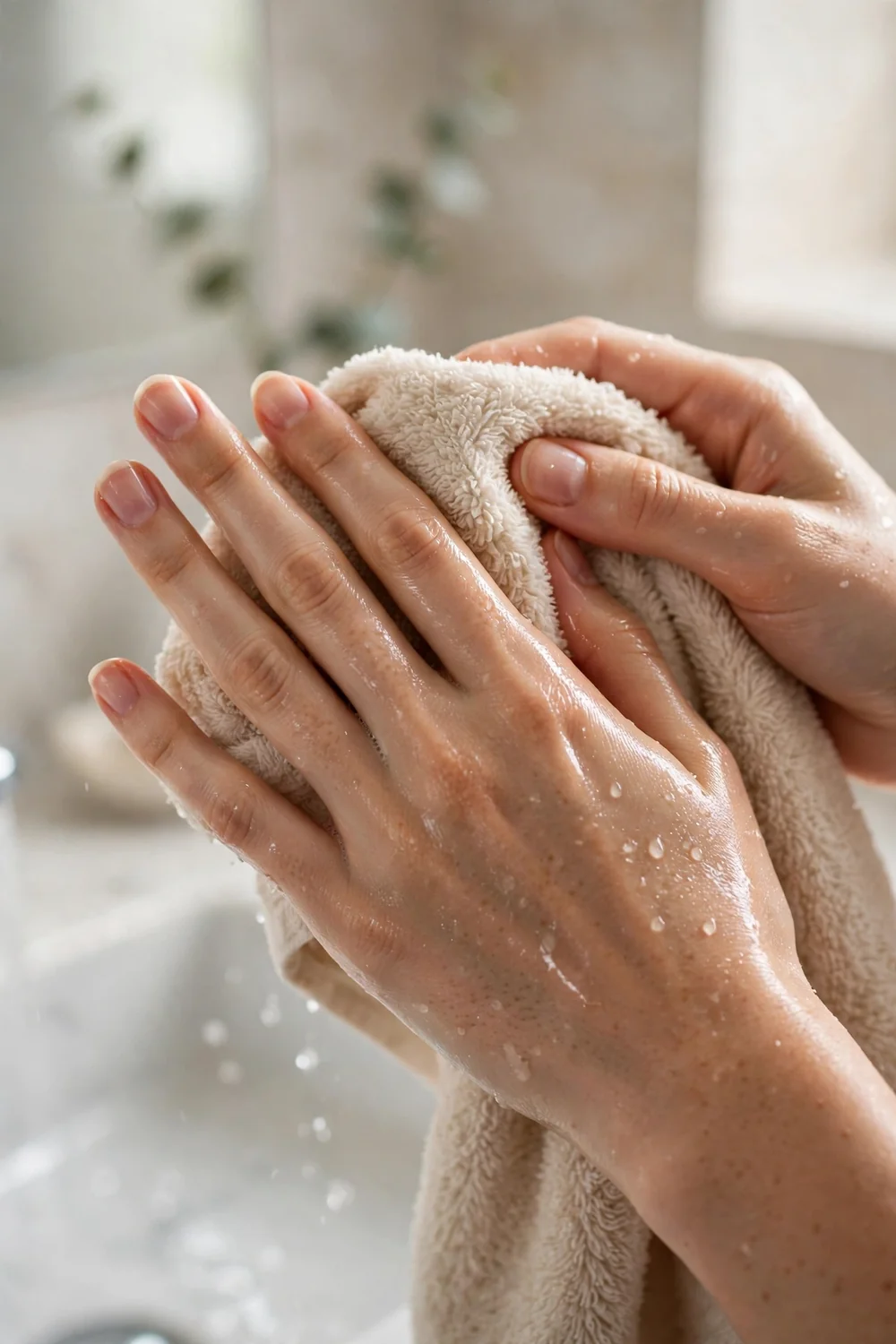
Nails that stay damp for long periods swell and soften, then shrink as they dry, and that repeated cycle weakens the nail plate over winter. Wet gloves, damp hands and long dishwashing sessions all contribute.
Dry hands thoroughly after every wash, including under and around the nails, and change out of wet gloves promptly. Keeping nails dry between washes is a small habit with a surprisingly large effect on strength.
Best for: nails that feel soft and bendy Pair with: a soft towel and dry gloves Tip: dry hands fully, not just quickly
19. Protecting Nails From Harsh Hand Sanitiser
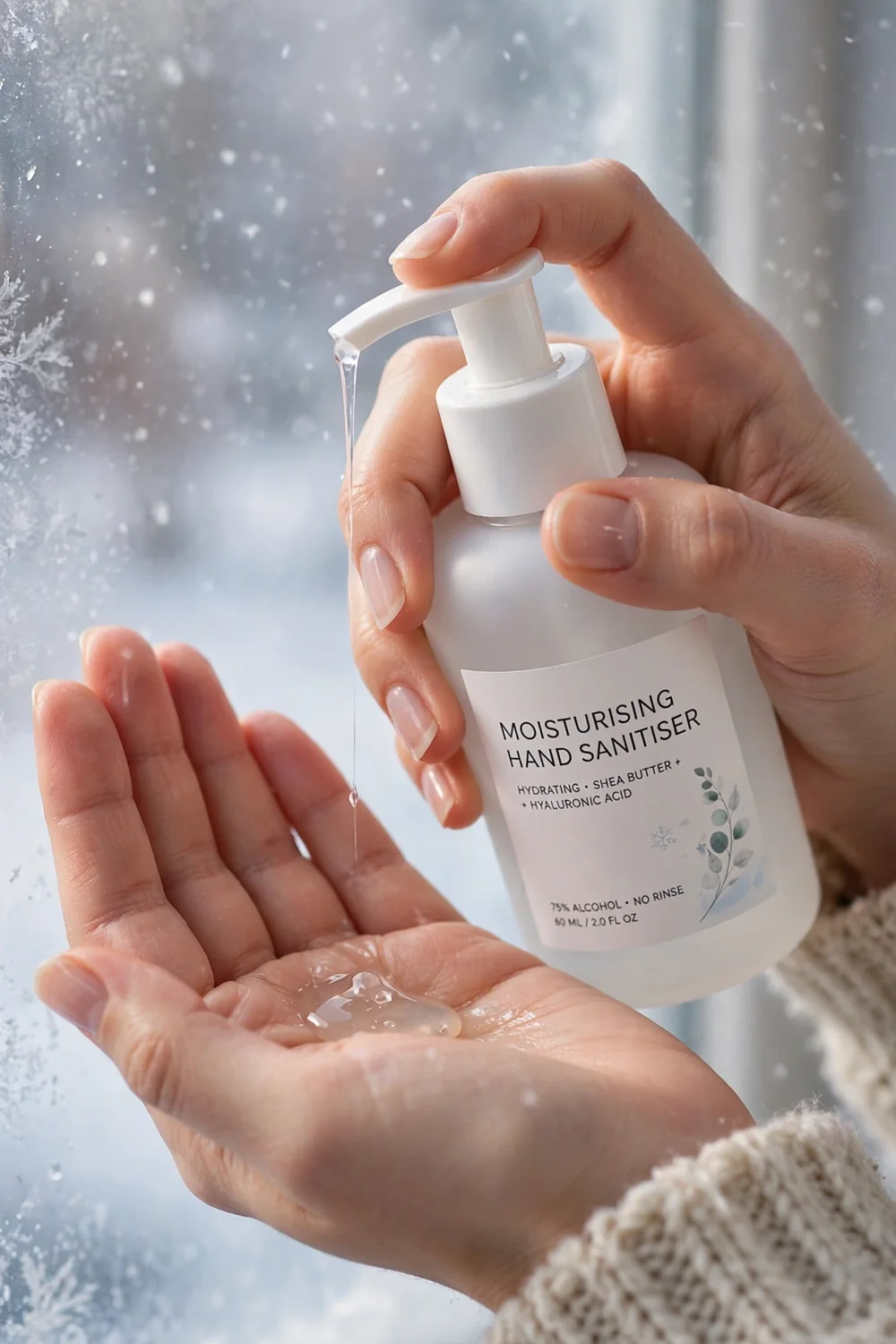
Hand sanitiser is essential in winter, but its high alcohol content dries nails and cuticles with every use. Over a day of repeated use, that dryness adds up to brittleness and peeling.
Choose a sanitiser with added moisturisers when you can, and apply hand cream after sanitising once your hands are dry. The cream replaces what the alcohol removed, without reducing the sanitiser’s effect.
Best for: frequent sanitiser users Pair with: moisturising sanitiser and hand cream Tip: cream after sanitising, once hands are dry
20. Repairing a Break Before It Splits Further
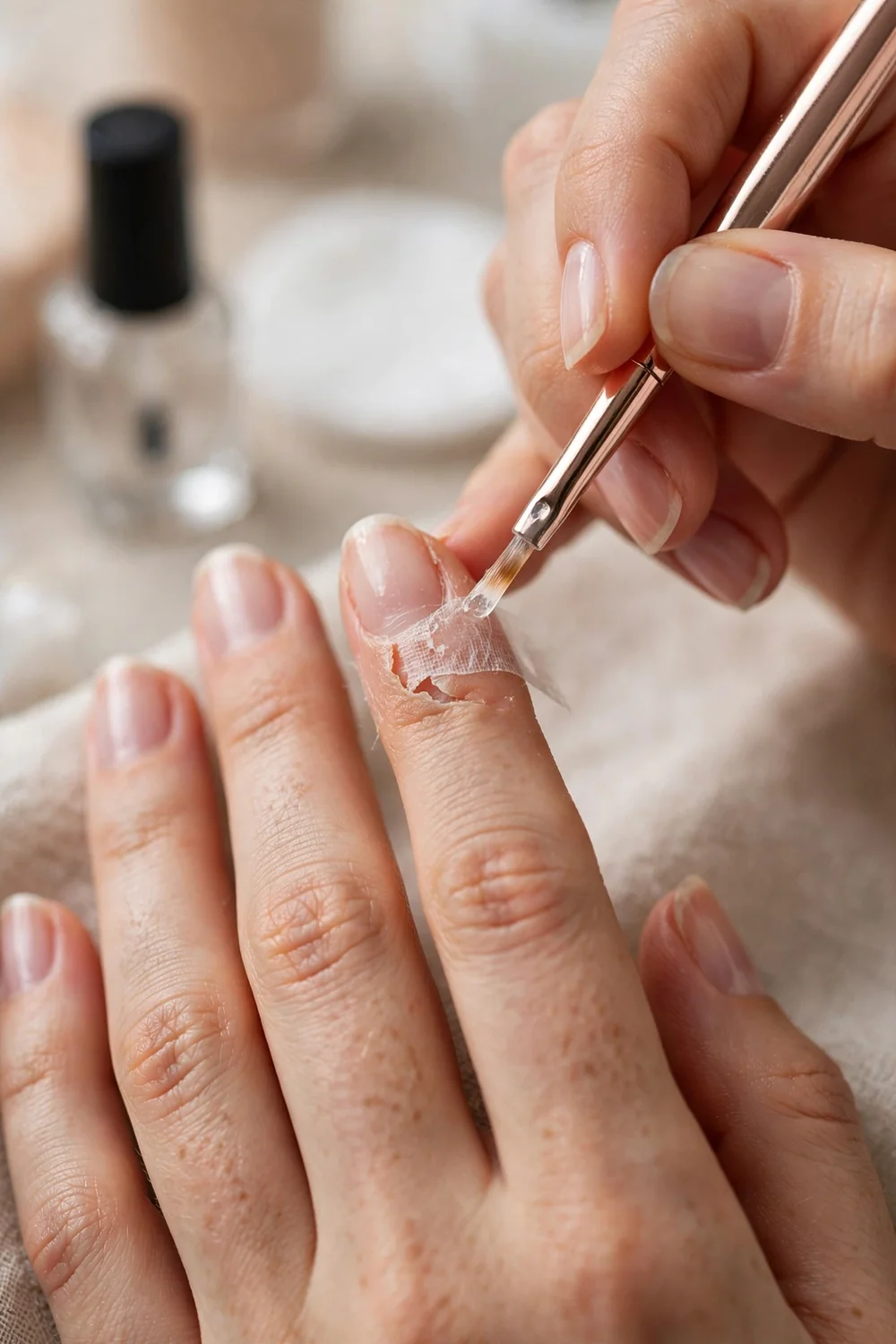
A small break does not have to become a lost nail. Left alone, a tiny tear catches on everything and travels deeper, but a quick repair can hold the nail until it grows out safely.
Apply a tiny silk wrap or a tea bag patch over the tear with clear polish, then seal with top coat. Keep the nail short while it heals, and avoid using it to open or scrape anything.
Best for: nails with a small tear or crack Pair with: a silk wrap and clear polish Tip: keep a repaired nail short until it grows out
21. Winter Manicure Routine That Holds for Two Weeks
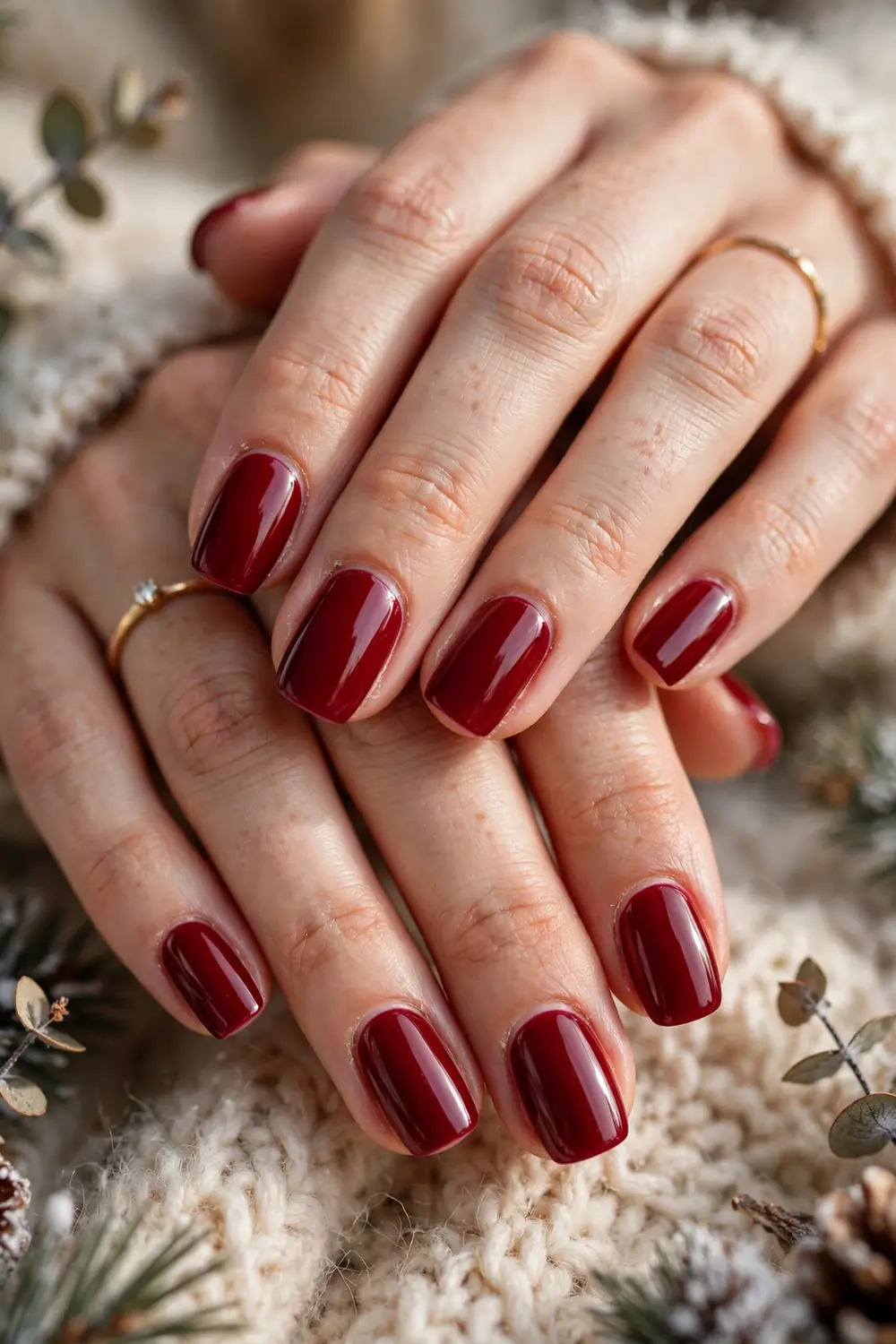
A two week winter manicure is not luck, it is a routine: gentle removal, oil, a base coat, thin colour layers, a sealed top coat and regular refreshes. Each step protects the next, so the manicure survives gloves, washing and cold air.
Put the steps together once a week: soak, push cuticles, file gently, oil, base, two thin coats and top coat. Refresh the top coat midweek, and your nails will look freshly done far longer than a rushed manicure ever could.
Best for: anyone who wants lasting winter nails Pair with: base coat, thin polish and top coat Tip: refresh the top coat halfway through the week
PRO TIP: Before winter really bites, take a photo of your nails in natural light. After a month of steady care, take another in the same light, and you will see the improvement in smoothness, strength and shine far more clearly than by memory alone.
Choosing Nail Care: What Works When
Not every nail habit suits every nail type, and choosing well is the difference between stronger nails and wasted effort. This quick comparison helps you match the habit to your main winter problem.
| Choice | Best for | Watch out for |
|---|---|---|
| Cuticle oil nightly | Dry, cracked cuticles | Needs daily consistency to work |
| Thin polish layers | Chipping manicures | Takes a few extra minutes to dry |
| Gloves for cleaning | Peeling from water and chemicals | Keep gloves by the sink or you will skip them |
| Shorter length | Breaks from gloves and pockets | Feels like a change if you love long nails |
Frequently Asked Questions
Why do my nails break more in winter?
Cold air, indoor heating, frequent hand washing and gloves all strip moisture from the nail plate. Dry nails lose flexibility, so they split and break instead of bending under everyday stress.
How often should I use cuticle oil in winter?
Use cuticle oil every night at minimum, and after hand washing when you can. Nightly use is the habit that makes the biggest difference for most people within a few weeks.
Is it better to keep nails short in winter?
Yes, shorter nails with softly rounded corners survive winter far better than long nails. They catch less on gloves and pockets, and the same manicure lasts noticeably longer.
When should I see a clinician about my nails?
See a clinician if nails change colour, lift from the bed, swell, bleed or stay weak despite a month of good care. These changes can occasionally signal infection or another health issue worth checking.
Strong Winter Nails Are Built, Not Bought
The strongest winter nails are rarely the result of one expensive product. They are the result of gentle handling, steady moisture and a manicure routine that protects the nail at every step.
Pick three tips from this guide, practise them daily for a month, and watch your nails grow stronger, smoother and far less likely to break before spring arrives.
Final Thoughts
Winter nail care proves that small habits create the biggest difference. A drop of oil, a gentler file and a refreshed top coat can keep your nails beautiful through the coldest months.
For more winter beauty inspiration, explore our winter nail ideas and winter skincare secrets, and save this guide for your weekly manicure routine. Stay warm, and keep those nails strong.
For more nail care ideas, see this nail injury care guide from dermatologists and dermatologist nail care guidance.