Winter is hard on hair in ways summer never is. Cold air outside, dry heated air inside, wool hats, static and hot showers all pull moisture from your strands and leave them dry, frizzy and prone to breakage.
The good news is that winter hair care is mostly about small, gentle changes rather than expensive products. Washing less, using lukewarm water and adding moisture can transform how your hair feels by spring.
This guide collects twenty five winter hair care tips that save your hair from the cold. Each tip explains what to do, why it works, and how to fit it into a real routine, whether your hair is straight, wavy, curly, fine or thick.
Pick three tips to start this week, add more as they become habits, and give your hair the same winter protection you give your skin and your wardrobe.
Also read:
Quick Tips for Winter Hair Care
Moisture First, Always
Winter hair care starts with moisture, because dry hair breaks, frizzes and loses shine. A rich conditioner, a weekly mask and a leave in product together protect far more than any styling trick.
Heat Is the Enemy
Hot water, hot dryers and hot styling tools all strip moisture and weaken winter hair. Use lukewarm water, low heat and air drying whenever you can, and always use a heat protectant.
Protect Hair Outdoors
Cold wind, snow and wool hats cause tangles, static and breakage. A silk lined hat, a low bun and a little serum on the ends keep outdoor damage to a minimum.
Be Gentle With Wet Hair
Wet hair stretches and breaks far more easily than dry hair, especially in winter. Detangle slowly from the ends upward with a wide tooth comb, and never brush wet hair aggressively.
1. Deep Condition Once a Week

A weekly deep conditioning treatment is the single most effective winter hair habit. The mask soaks moisture into dry strands, smooths the cuticle and restores softness that daily conditioner alone cannot reach. It protects softness before damage appears.
Apply the mask to mid lengths and ends, leave it for ten to twenty minutes, then rinse with cool water for extra shine. Start slowly and keep it simple.
Best for: dry or damaged hair Pair with: a rich mask and a shower cap Tip: focus the mask on ends, never heavily on roots
2. Wash With Lukewarm Water Only

Hot showers feel wonderful in winter, but hot water strips natural oils from scalp and hair alike. Lukewarm water cleans just as well while preserving the moisture your hair needs to stay soft. It shows results within a few weeks.
Turn the temperature down until the water feels comfortably warm, not hot, and finish with a brief cool rinse. Adjust to suit your hair type.
Best for: every hair type Pair with: a gentle shampoo and cool rinse Tip: avoid very hot water even on the coldest mornings
3. Oil Your Scalp Before Washing

A light oil massage before washing nourishes the scalp, loosens dryness and protects strands from shampoo stripping. Warm oil also improves circulation and feels deeply relaxing on a cold day. It prevents breakage that takes months to regrow.
Warm a small amount of oil in your hands, massage it into the scalp for five minutes, then wash as usual. Pair it with gentle brushing.
Best for: dry scalps Pair with: a light hair oil and gentle shampoo Tip: use only a small amount so hair does not feel heavy
4. Use a Leave In Conditioner Daily
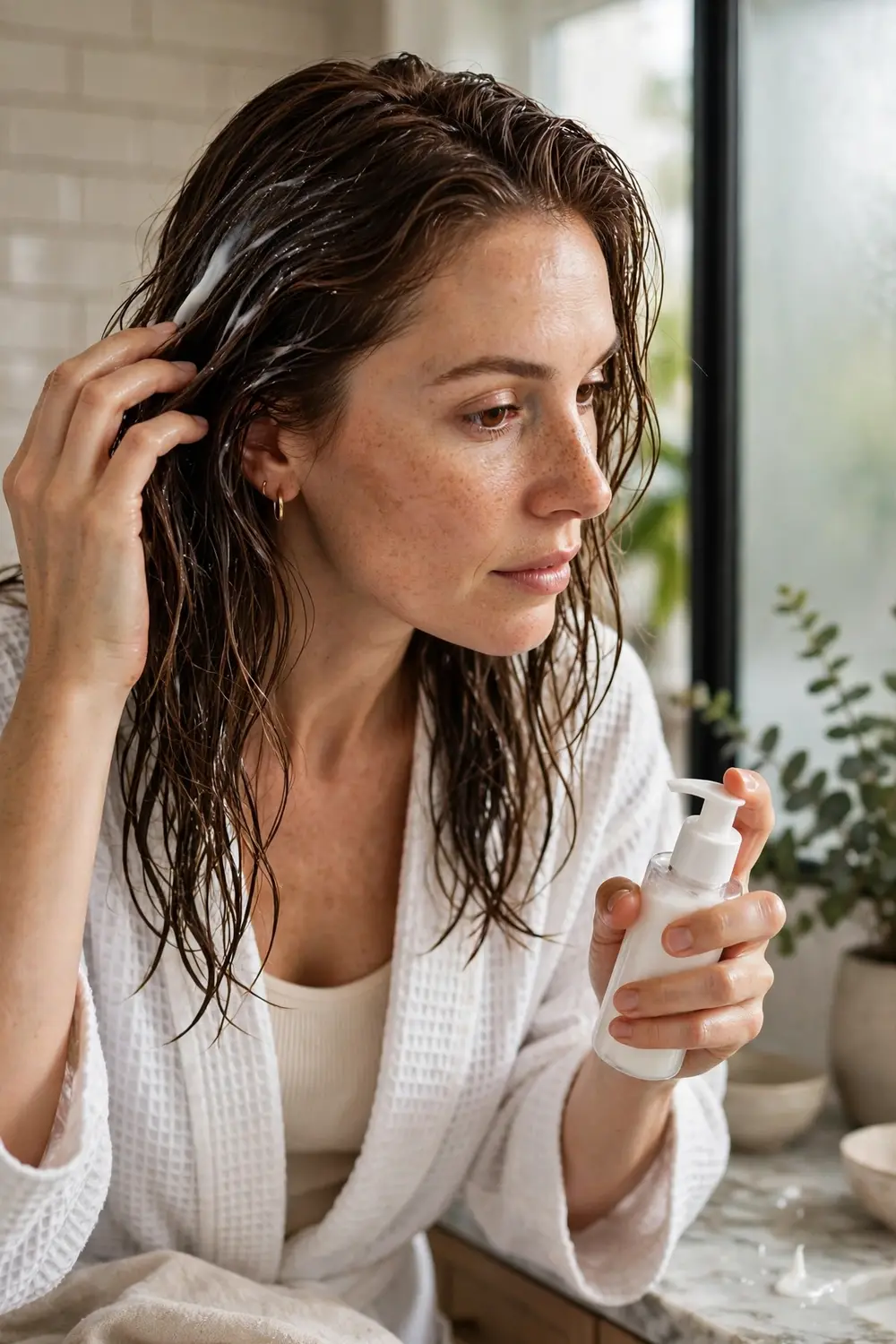
A leave in conditioner is winter armour for your hair, sealing moisture into the strand and protecting it from dry indoor air all day. It also reduces static and makes detangling far easier. It works for every hair type.
Apply a small amount to damp mid lengths and ends after washing, and comb through gently before styling. Keep the step short and consistent.
Best for: frizzy or dry hair Pair with: a light leave in spray or cream Tip: start with a pea sized amount and add more only if needed
5. Protect Hair With a Silk Lined Hat

Wool hats keep you warm but their rough fibres cause friction, frizz and breakage. A silk lined hat gives you warmth without the damage, letting hair glide smoothly instead of catching and snapping. It makes winter easier on hair.
Choose a hat with a silk or satin lining, or wear a silk scarf under a favourite wool hat on cold days. Focus on moisture first if scalp feels dry.
Best for: hat wearers Pair with: a silk lined hat or silk scarf Tip: tuck ends inside the hat on windy days for extra protection
6. Trim Split Ends Every Eight Weeks
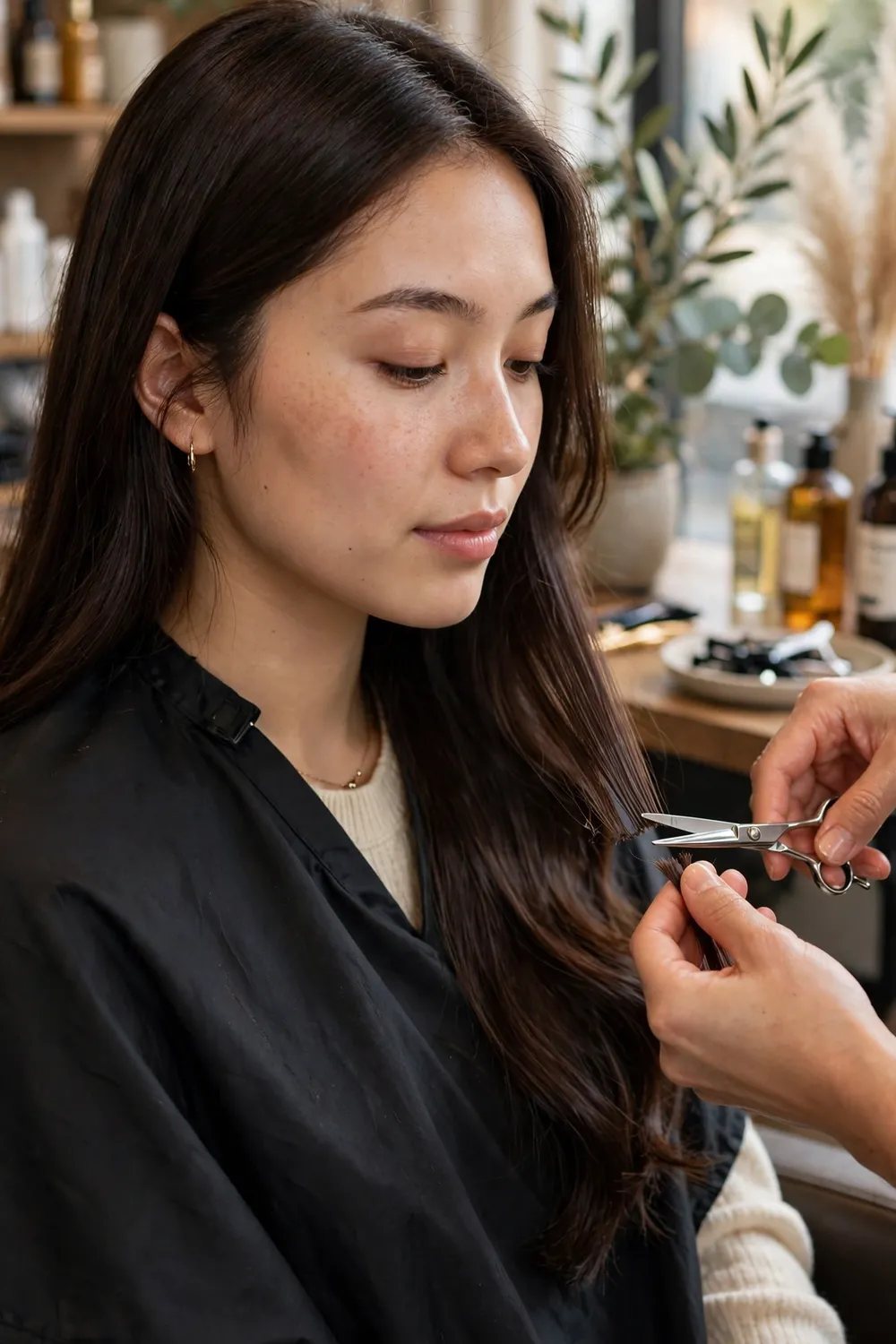
Split ends travel upward if left alone, turning a small problem into breakage and thin looking ends. A small trim every eight weeks keeps hair looking thick, healthy and freshly cut all winter. It protects softness before damage appears.
Book trims in advance, ask for a dusting rather than a big cut if you are growing your hair, and keep the appointment even when hair looks fine. Start slowly and keep it simple.
Best for: growing hair out Pair with: a trusted stylist and regular bookings Tip: a tiny regular trim beats a big corrective cut in spring
7. Air Dry Whenever You Can

Air drying removes the biggest daily source of heat damage, letting hair dry gently at its own pace. Winter hair is already dry, so skipping the dryer on some days preserves moisture and reduces frizz. It shows results within a few weeks.
After washing, blot gently, apply leave in conditioner, and let hair dry naturally while you get ready. Adjust to suit your hair type.
Best for: heat damaged hair Pair with: a microfibre towel and leave in conditioner Tip: avoid going outside with soaking wet hair in freezing weather
8. Use a Wide Tooth Comb on Wet Hair
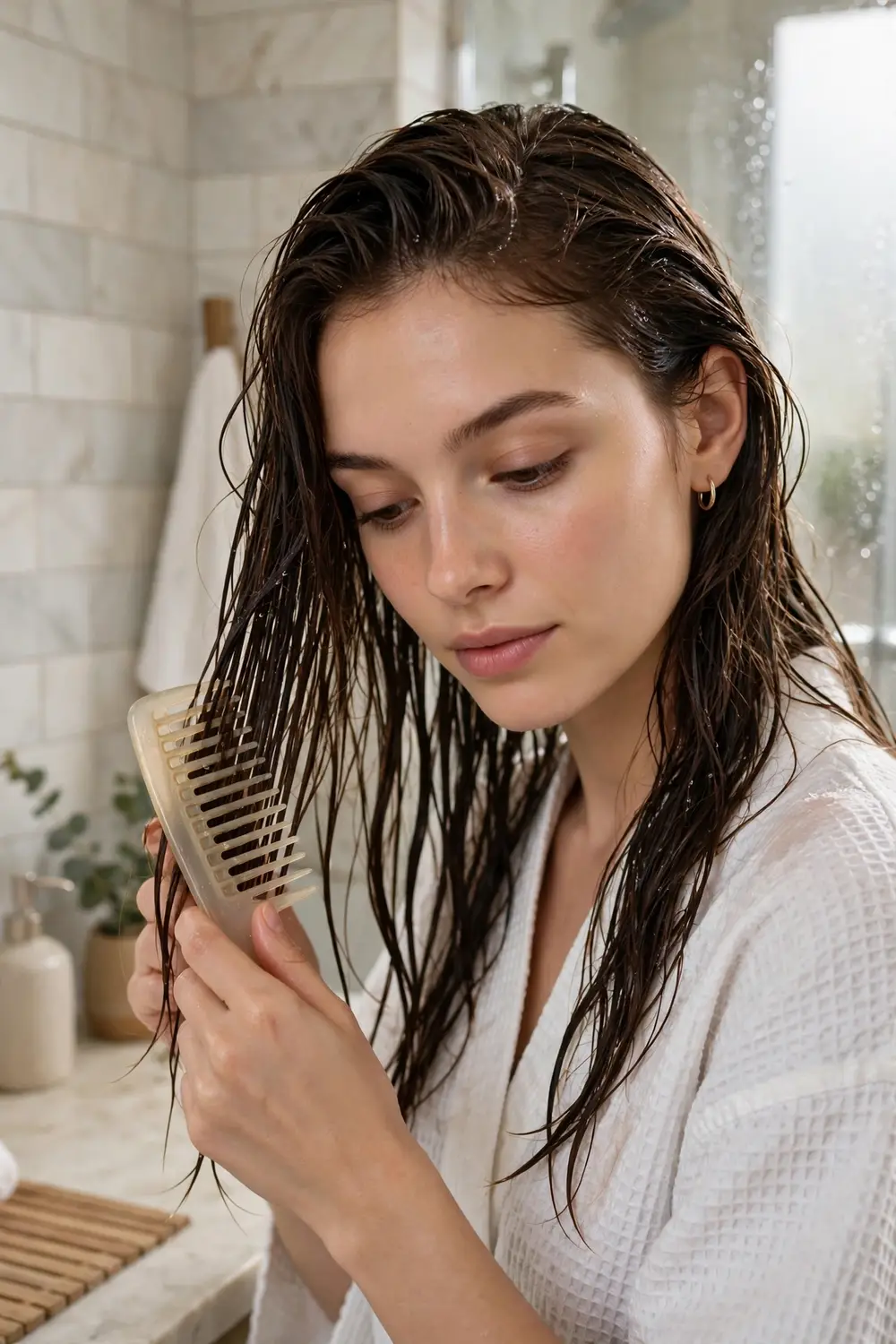
A wide tooth comb glides through wet hair with far less pulling than a brush, which is vital because wet hair is at its most fragile. The wide spacing lets tangles release gradually instead of snapping. It prevents breakage that takes months to regrow.
Start at the ends, work upward in small sections, and hold each section above the tangle while you comb. Pair it with gentle brushing.
Best for: tangle prone hair Pair with: a wide tooth comb and detangling spray Tip: never force the comb through a knot, work it out slowly
9. Sleep on a Silk Pillowcase

A silk pillowcase reduces friction while you sleep, so hair wakes up smoother, less tangled and less frizzy. Cotton pillowcases absorb moisture and rough up the cuticle, which winter hair cannot afford. It works for every hair type.
Swap your pillowcase for silk or satin, and gather long hair loosely at the top of your head before bed. Keep the step short and consistent.
Best for: frizzy or curly hair Pair with: a silk pillowcase and a loose scrunchie Tip: wash the pillowcase regularly so it stays smooth and clean
10. Add a Weekly Hair Mask Ritual

A weekly hair mask ritual turns winter hair care into self care, giving hair a concentrated dose of moisture and repair. Masks with oils, butters and proteins rebuild softness that daily products cannot fully restore. It makes winter easier on hair.
Set aside twenty minutes once a week, apply the mask, wrap hair in a warm towel, then rinse thoroughly. Focus on moisture first if scalp feels dry.
Best for: very dry hair Pair with: a nourishing mask and a warm towel Tip: choose a mask for your hair type, not just the prettiest jar
11. Rinse With Cool Water for Shine

A cool final rinse smooths the hair cuticle, which reflects light better and locks in conditioner. The result is visibly shinier, smoother hair, with less frizz in dry winter air. It protects softness before damage appears.
After conditioning, rinse with cool water for thirty seconds, focusing on lengths and ends rather than the scalp. Start slowly and keep it simple.
Best for: dull hair Pair with: a rich conditioner and cool water Tip: cool means comfortably cool, not ice cold, for comfort
12. Avoid Daily Heat Styling

Daily straightening or curling in winter pushes already dry hair past its limit, causing breakage and split ends. Reducing heat to a few times a week, or trying heat free styles, preserves strength all season. It shows results within a few weeks.
Try braids overnight for waves, rollers for volume, or a sleek bun for polished days without any heat at all. Adjust to suit your hair type.
Best for: heat styled hair Pair with: braids, rollers and a good serum Tip: on heat days, use the lowest effective temperature
13. Wear a Protective Low Bun Outdoors

A low bun protects the most vulnerable part of your hair, the ends, from wind, cold and hat friction. Tucked away, ends stay moisturised and tangle free, even on the windiest winter walk. It prevents breakage that takes months to regrow.
Gather hair low at the nape, twist loosely, secure with a soft scrunchie, and smooth a little serum over the surface. Pair it with gentle brushing.
Best for: long hair Pair with: a soft scrunchie and hair serum Tip: keep the bun loose so it never pulls on the hairline
14. Use a Humidifier at Night

Heated indoor air is extremely dry, and it pulls moisture from hair all night long. A bedroom humidifier restores humidity to the air, so hair, skin and scalp all wake up softer and less static. It works for every hair type.
Run a humidifier in the bedroom overnight, clean it regularly, and keep the door closed so humidity stays in the room. Keep the step short and consistent.
Best for: dry indoor homes Pair with: a clean humidifier and silk pillowcase Tip: clean the humidifier weekly to keep the air healthy
15. Massage Your Scalp for Five Minutes

A five minute scalp massage boosts circulation, loosens dry flakes and helps natural oils reach the lengths. It also relaxes tension, which is a welcome bonus on dark winter evenings. It makes winter easier on hair.
Use fingertips, not nails, in small circles all over the scalp, for five minutes before washing or before bed. Focus on moisture first if scalp feels dry.
Best for: dry or flaky scalps Pair with: fingertips and a light oil if desired Tip: be gentle, pressing firmly but never scratching the scalp
16. Choose a Gentle Sulfate Free Shampoo

Sulfate free shampoos clean without stripping the natural oils that protect winter hair. The gentler cleanse leaves hair softer, calmer and less prone to frizz and static. It protects softness before damage appears.
Lather once, focusing on the scalp, and let the rinse clean the lengths, which need far less shampoo. Start slowly and keep it simple.
Best for: sensitive scalps Pair with: a sulfate free shampoo and rich conditioner Tip: if hair feels coated, clarify once a month, then return to gentle washing
17. Eat Protein Rich Foods for Strength

Hair is made of protein, so a diet rich in protein, iron and healthy fats directly supports stronger winter hair. Eggs, fish, beans, nuts and leafy greens all help hair grow resilient and shiny. It shows results within a few weeks.
Include a protein source at most meals, add nuts and seeds as snacks, and drink water through the day for hydration. Adjust to suit your hair type.
Best for: thinning or weak hair Pair with: a balanced diet and plenty of water Tip: food supports hair over months, so be patient and consistent
18. Drink Water Through the Day

Hydrated hair starts inside the body, and winter dehydration shows up as dry, dull strands and a flaky scalp. Drinking water regularly supports the moisture balance that products alone cannot create. It prevents breakage that takes months to regrow.
Keep a water bottle nearby, sip through the day, and pair water with herbal tea on cold days for extra warmth. Pair it with gentle brushing.
Best for: dry hair and scalps Pair with: a water bottle and herbal tea Tip: thirst is a late signal, so sip before you feel parched
19. Use a Heat Protectant Before Styling

A heat protectant forms a barrier between hot tools and fragile winter hair, reducing moisture loss and breakage. It is the one product that makes heat styling far safer in cold months. It works for every hair type.
Spray or smooth protectant evenly through damp hair before any dryer, straightener or curler, and reapply lightly on second day styling. Keep the step short and consistent.
Best for: heat styled hair Pair with: a heat protectant spray and low heat tools Tip: never skip protectant, even for a quick touch up
20. Detangle From the Ends Upward

Detangling from the ends upward is the gentlest way to remove knots, because each small tangle releases before it joins a bigger one. Top down brushing pushes knots together and snaps hair. It makes winter easier on hair.
Hold each section above the tangle, comb the lowest few inches first, then move gradually upward to the roots. Focus on moisture first if scalp feels dry.
Best for: long or curly hair Pair with: a wide tooth comb and detangling spray Tip: detangle before washing as well as after, for less breakage
21. Wrap Hair in a Microfibre Towel

A microfibre towel absorbs water quickly with far less friction than a rough cotton towel. Less friction means less frizz, less breakage and smoother hair once dry, which matters most in winter. It protects softness before damage appears.
Wrap hair gently after washing, leave the towel on for ten minutes, then remove it and let hair air dry. Start slowly and keep it simple.
Best for: frizzy hair Pair with: a microfibre towel and leave in conditioner Tip: never rub hair vigorously with any towel, however soft
22. Avoid Tight Hairstyles in Winter

Tight ponytails and buns pull on fragile winter hair and stress the hairline, especially under a hat. Loose styles protect the roots, reduce breakage and still look polished with a little smoothing serum. It shows results within a few weeks.
Choose loose buns, low ponytails and soft braids, secured with fabric scrunchies rather than tight elastic bands. Adjust to suit your hair type.
Best for: fine or fragile hair Pair with: fabric scrunchies and smoothing serum Tip: if a style hurts, it is too tight, loosen it at once
23. Apply Serum to the Ends Only

Hair serum seals moisture into the ends, where winter damage shows first, without weighing down the roots. A tiny amount smooths frizz, adds shine and protects ends from wind and friction. It prevents breakage that takes months to regrow.
Warm one or two drops between your palms, smooth over the last few inches of hair, and add more only if ends still look dry. Pair it with gentle brushing.
Best for: split ends Pair with: a light hair serum Tip: serum on roots makes hair look greasy, so keep it to the ends
24. Brush Gently Before Bed

Gentle brushing before bed distributes natural oils from scalp to ends, removes the day’s tangles and prepares hair for a smooth night. Done softly, it nourishes rather than damages winter hair. It works for every hair type.
Use a soft bristle brush, start at the ends, work upward slowly, and finish with a loose braid or bun for sleep. Keep the step short and consistent.
Best for: all hair types Pair with: a soft bristle brush and silk pillowcase Tip: brush for a minute or two, never for long aggressive sessions
25. Book a Mid Winter Salon Treatment

A mid winter salon treatment gives hair professional level moisture, repair and a fresh trim exactly when winter damage peaks. It resets your routine and carries your hair beautifully into spring. It makes winter easier on hair.
Book a deep conditioning treatment and a small trim in January, and ask your stylist for a home care plan to follow. Focus on moisture first if scalp feels dry.
Best for: damaged winter hair Pair with: a trusted salon and deep treatment Tip: tell your stylist about your winter routine so advice fits your life
PRO TIP: Start with moisture, gentleness and protection, and add styling products only after those three are in place. Most winter hair problems are moisture problems in disguise, and no amount of shine spray can replace a well moisturised strand.
Choosing a Winter Hair Routine
Not every winter routine suits every hair type, and choosing well means matching moisture, washing frequency and protection to your own hair. This comparison helps you find your starting point.
| Choice | Best for | Watch out for |
|---|---|---|
| Fine hair | Light leave in products, less oil | Heavy masks can flatten fine hair |
| Thick hair | Rich masks, regular oiling | Needs more product than fine hair |
| Curly hair | Deep moisture, gentle detangling | Heat and brushing dry out curls fast |
| Coloured hair | Sulfate free washing, cool rinses | Hot water fades colour quickly |
Frequently Asked Questions
How often should I wash my hair in winter?
Most people can wash two or three times a week in winter. Wash when the scalp feels oily or itchy, not by a rigid calendar.
Why is my hair so static in winter?
Static comes from dry air, wool hats and synthetic fabrics stripping moisture and charge balance from hair. A leave in conditioner, a silk lined hat and a little serum on the ends all reduce static noticeably.
Can I go outside with wet hair in winter?
It is best to avoid it in freezing weather, since wet hair is fragile and can feel painfully cold. If you must go out, dry hair at least partly, wear a protective style and cover it with a hat.
Do hair masks really work in winter?
Yes, because they deliver concentrated moisture and repair ingredients that daily conditioner cannot match. Used weekly, a good mask visibly improves softness, shine and manageability within a month.
Small Habits, Strong Winter Hair
Winter hair care is not about perfection, it is about protection repeated daily. Moisture, gentleness and a little patience carry your hair through the coldest months in better shape than it started.
Pick your first three tips today, build them into habits, and let spring find your hair soft, strong and ready to shine.
Final Thoughts
Winter hair care tips prove that the cold season does not have to damage your hair. Gentle washing, deep moisture, scalp care and smart protection together keep hair soft, shiny and strong all winter long.
For more winter beauty inspiration, explore our winter hairstyles and winter skincare secrets. Stay warm and let your hair thrive.
For more ideas, see this Cleveland Clinic winter hair guide and this dermatologist winter hair fall advice.